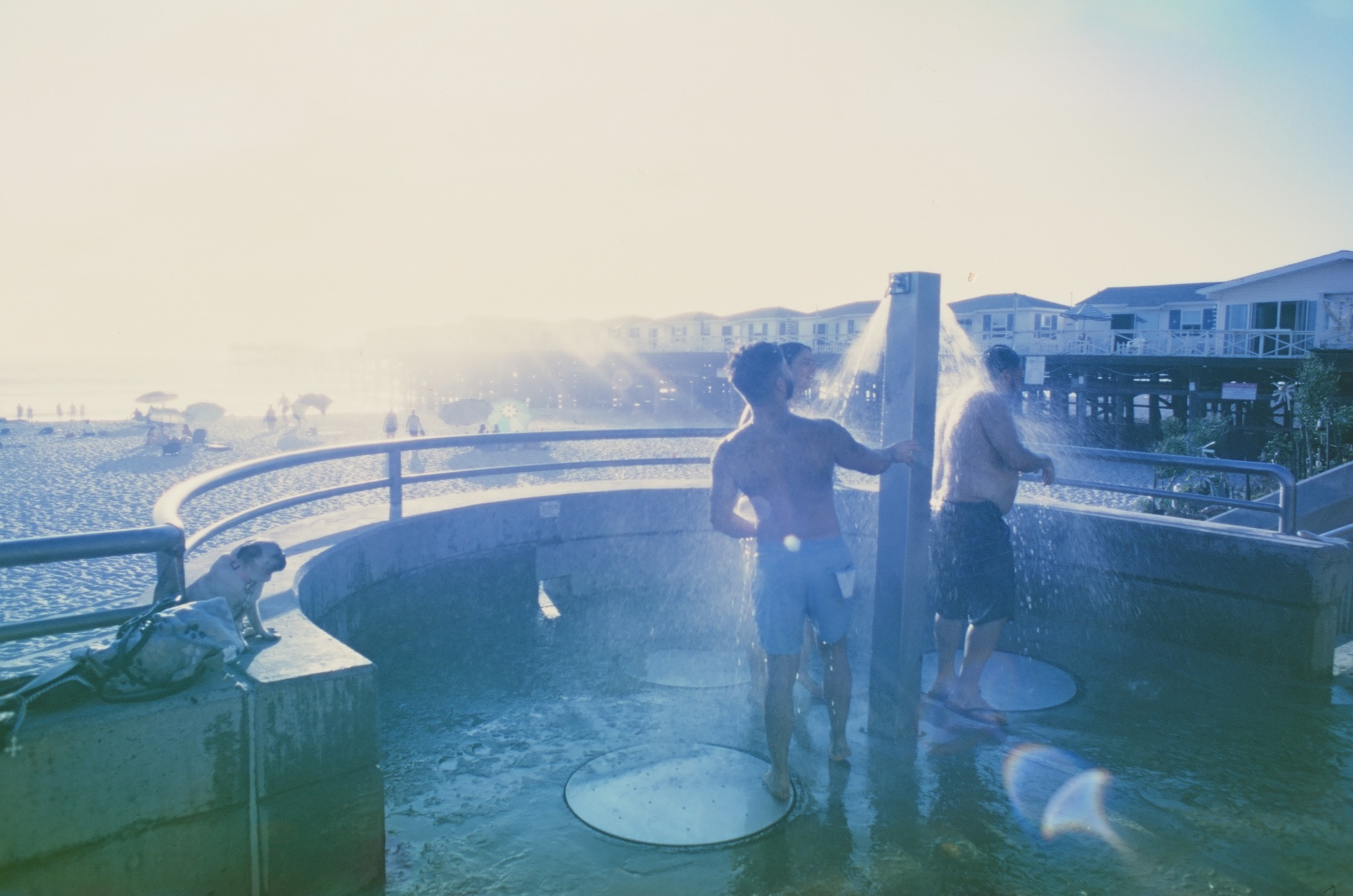
Hi, I’m Patrick.
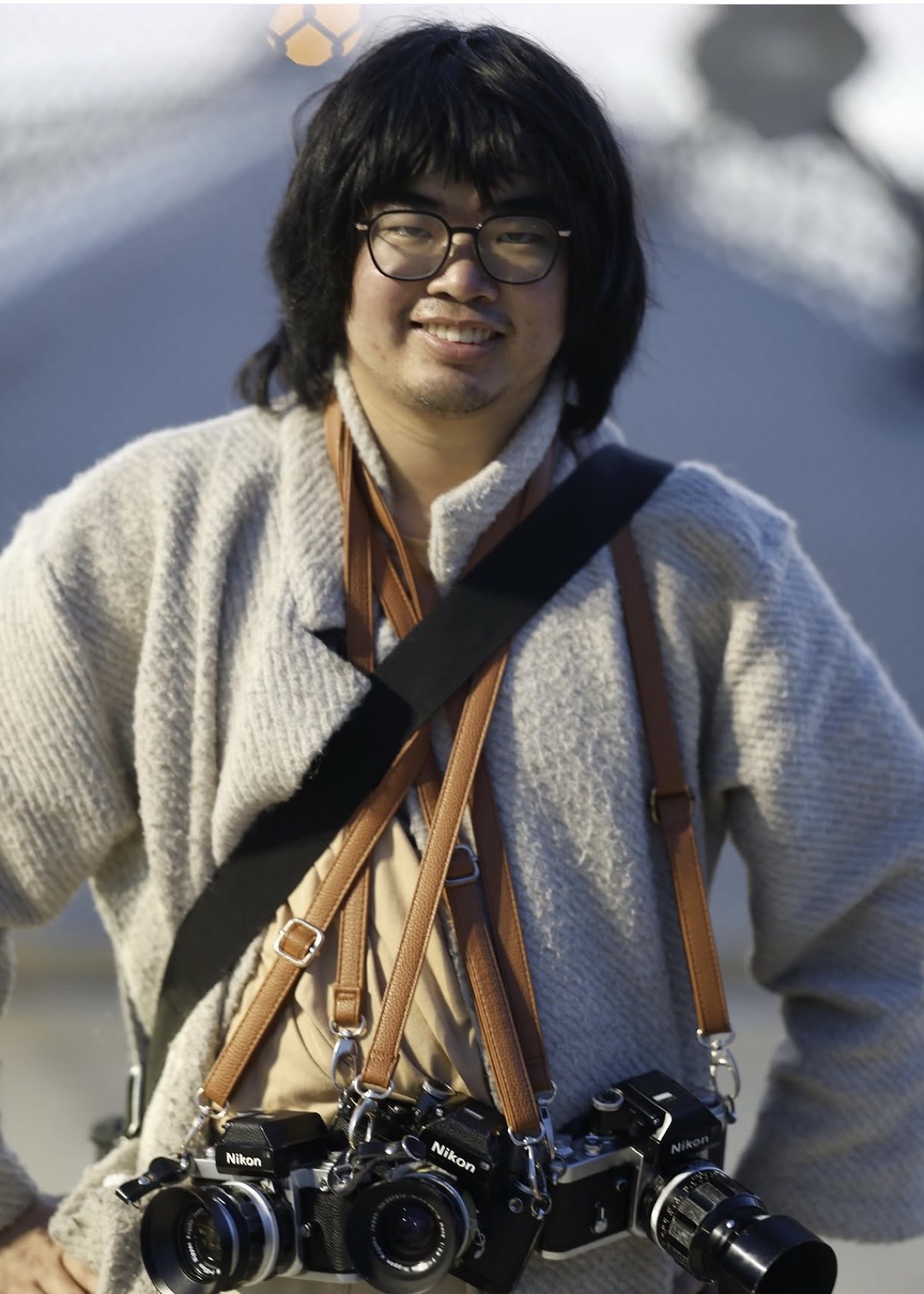
PHOTOGRAPHY is about EXPLORATION and EXPLOITATION.
EXPLORATION is about entering a new place you've never been to or learning some techniques you've never mastered.
EXPLOITATION is about revisiting the same places and understanding a culture different from yours.
(415) 740-5619patrick528300@gmail.comInstagram · @f2framesontheroadHow I
Photograph.
Those made miracles happen.
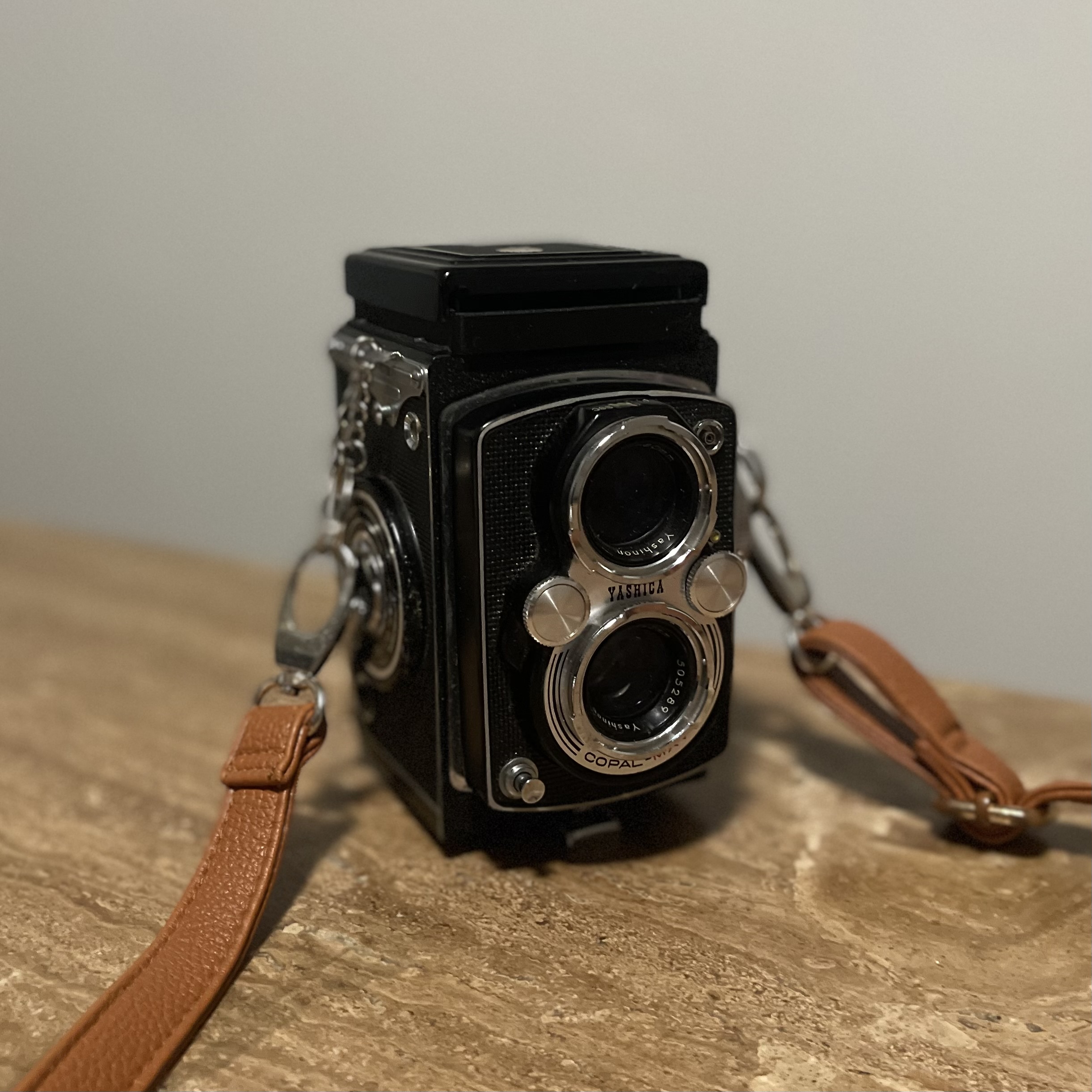
Yashica Mat
The only Medium Format & TLR. Switching the way of viewing into square format to focus more on the emotions of the object.
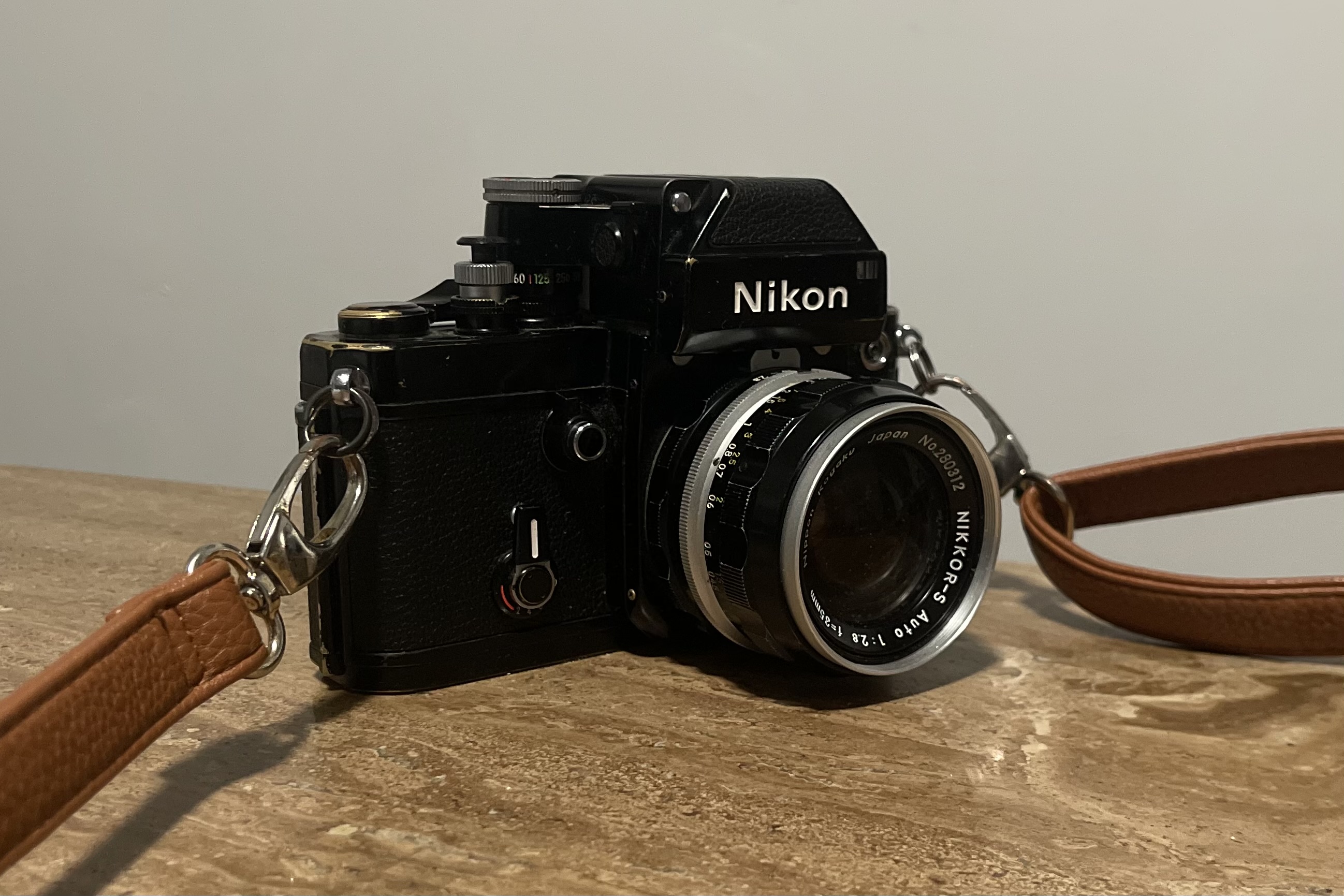
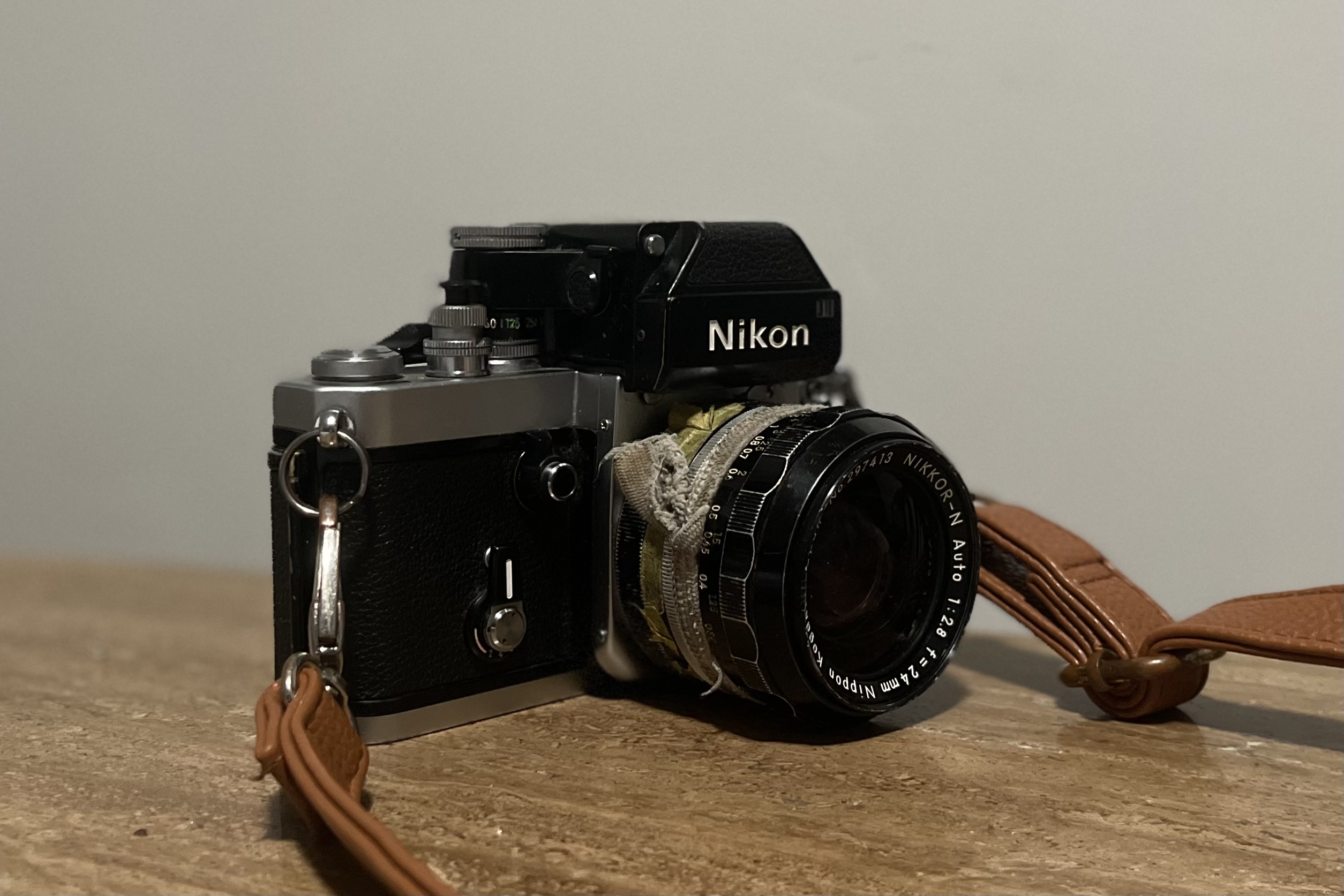
Nikon F2
Most Frequent Used Camera. Got three but one broken. The only SLR model I use. Now they carry 24 and 35 mm lens as routine, which makes me more engaged with the scene.
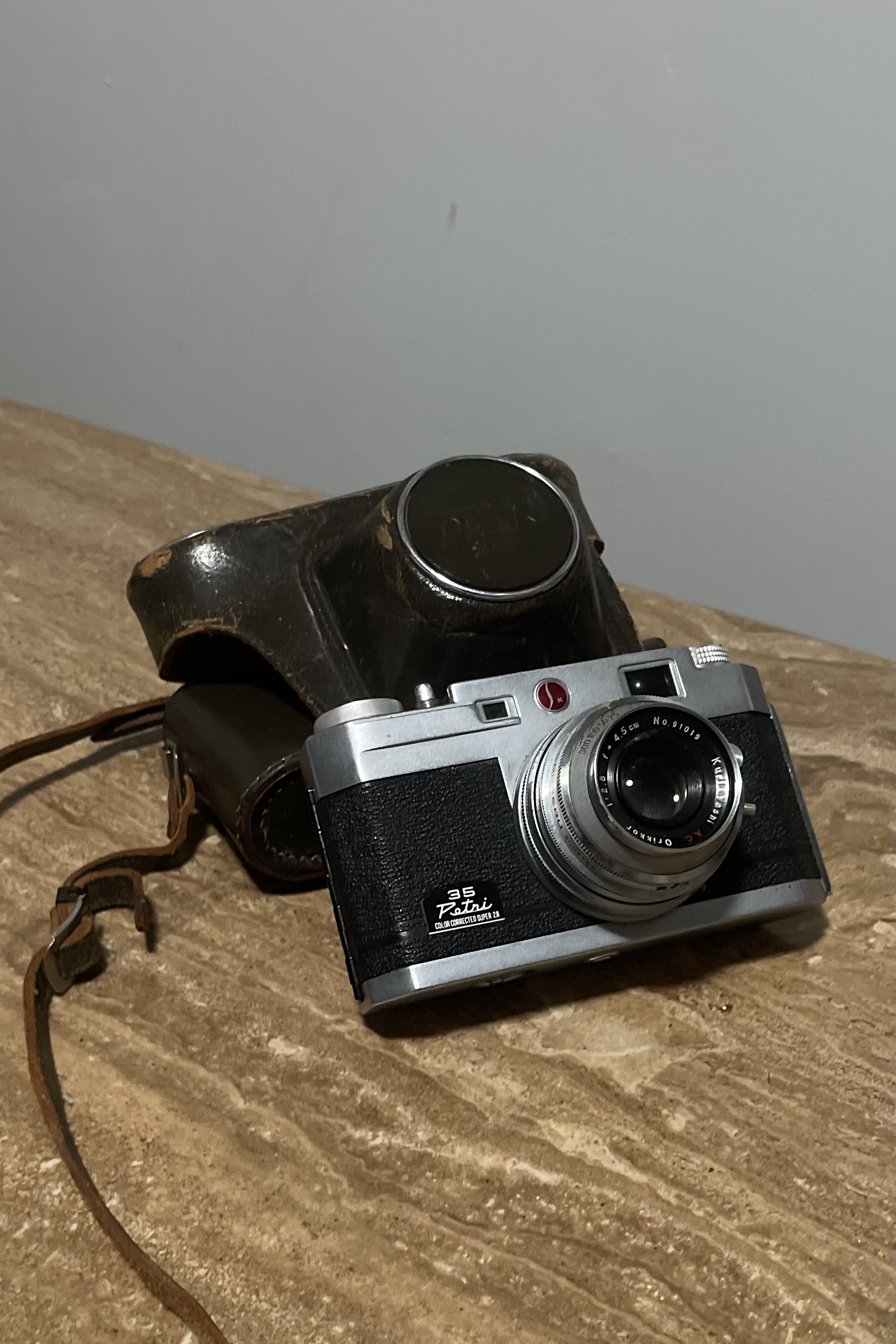
Petri
I use it to practice zone focusing so I can react faster to capture moments.
Q&A
How did you get into photography?
I got into photography when I was 14. My family bought me a Canon DSLR and I was always on my bike with my camera, capturing the farming scenes in my hometown.
My first time in film photography was in July 2025, when I wanted to step into photography at an affordable price – a digital camera was expensive to me. I got a SLR film camera and some film. I believe the inconvenience not only trains my photography skills, but also yields financial benefits. If there’s one day I quit photography, I could just stop buying film. But later I got so much into it. I bought more and more film, and now I have already been spending a lot on them.
How has your choice of lenses influenced the way you photograph people?
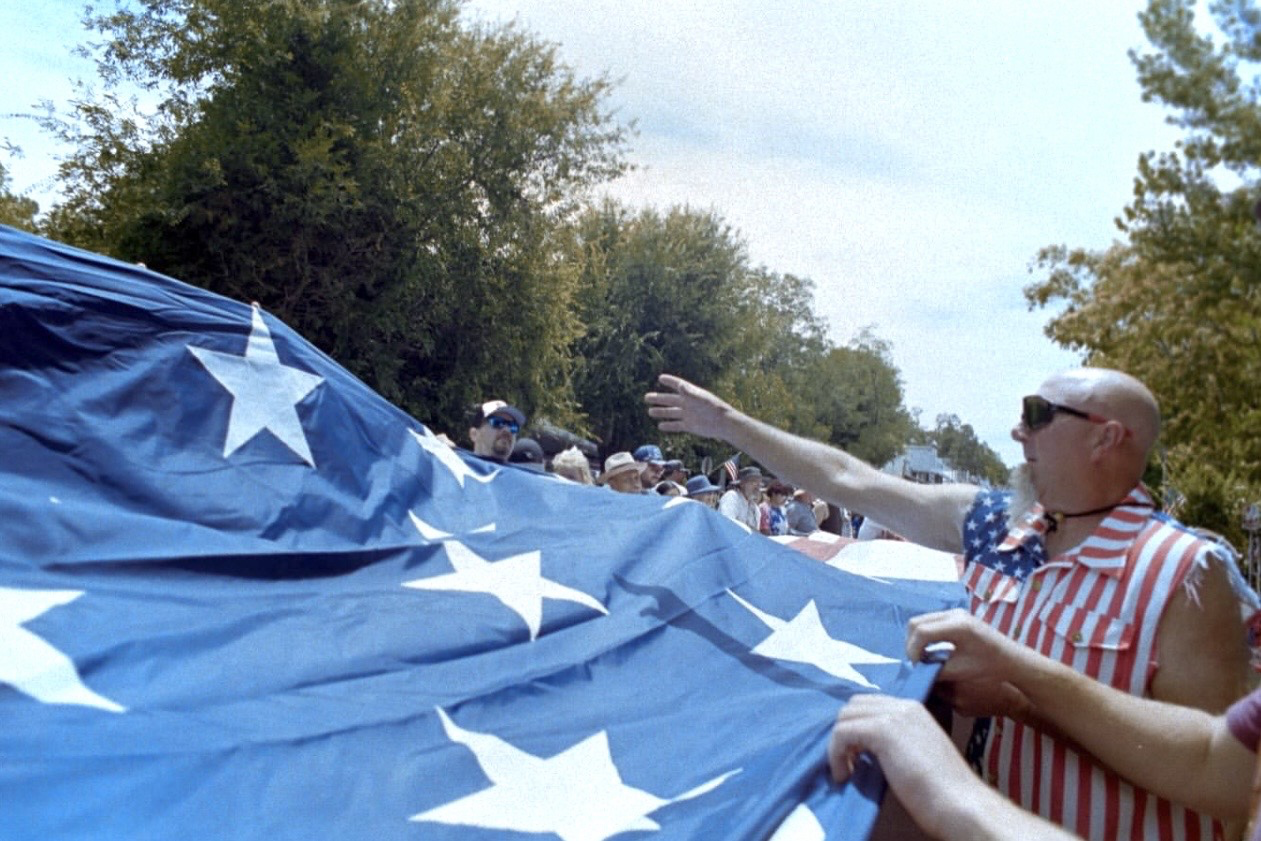
I started photography with 50mm and 105mm lenses, often keeping my distance because I was worried about how strangers might react to being photographed. Later, I began using a 24mm lens, which encouraged me to get closer and become more involved in the scenes I was photographing.
I realized that the distance between the camera and the subject changes more than just the composition. It also changes how the viewer experiences the photograph. A wider perspective can make people feel as though they are standing within the scene rather than observing it from afar.
Of course, getting closer also brings challenges. Not everyone is comfortable being photographed, and I am still learning how to balance my curiosity with respect for the people I encounter.
Why do you shoot film, especially slide film?
Simple Answer - if you get robbed on the street, losing a $200 Nikon F2 makes you feel better than losing a $600 Nikon D810.
Artistic Answer - shooting film is a process of being confident. I learned the exposure. I learned zone focusing. I learned film processing. I am very satisfied when I am able to deliver the photos successfully. Shooting film is also a process of decision making and commitment. Once I hit the button, or once I put the wrong developer in, there is really nothing else to do with it. That is also the reason why I like shooting slide film. Nowadays I need to digitalize color negatives and see the results on the screen. With slide film, I can keep the whole workflow pure and physical. It is also fun to project slides.
What has been the biggest challenge in your photography journey so far?
The biggest challenge was so frustrating that I almost quit photography. It was something most photographers probably never have to deal with: processing slide film.
I love how slide film lets me see the image directly, but professional processing is often expensive and difficult to find. In August 2026, I decided to learn how to process it myself. Unfortunately, both standard E-6 chemicals and fresh slide film were hard to find at the time.
I spent hours going through Reddit posts, searching for alternative processing methods and buying expired film to experiment with. Everyone seemed to have a different recipe, using different chemicals, and I never knew whether someone else's method would work with what I had. The expired film added another layer of uncertainty.
I ruined six rolls along the way: one with the wrong developer, one with insufficient re-exposure, two with exhausted developer, two with insufficient fixing. It was a torture to see pictures ruined one roll after another. Eventually, after adjusting my process, I successfully developed my first roll of slide film.
Now, shooting and processing slide film has become part of my regular photography routine. What almost made me quit has become one of the things I enjoy most about photography.