
Christmas on Route 66 — How Are These Arizona Towns Now?
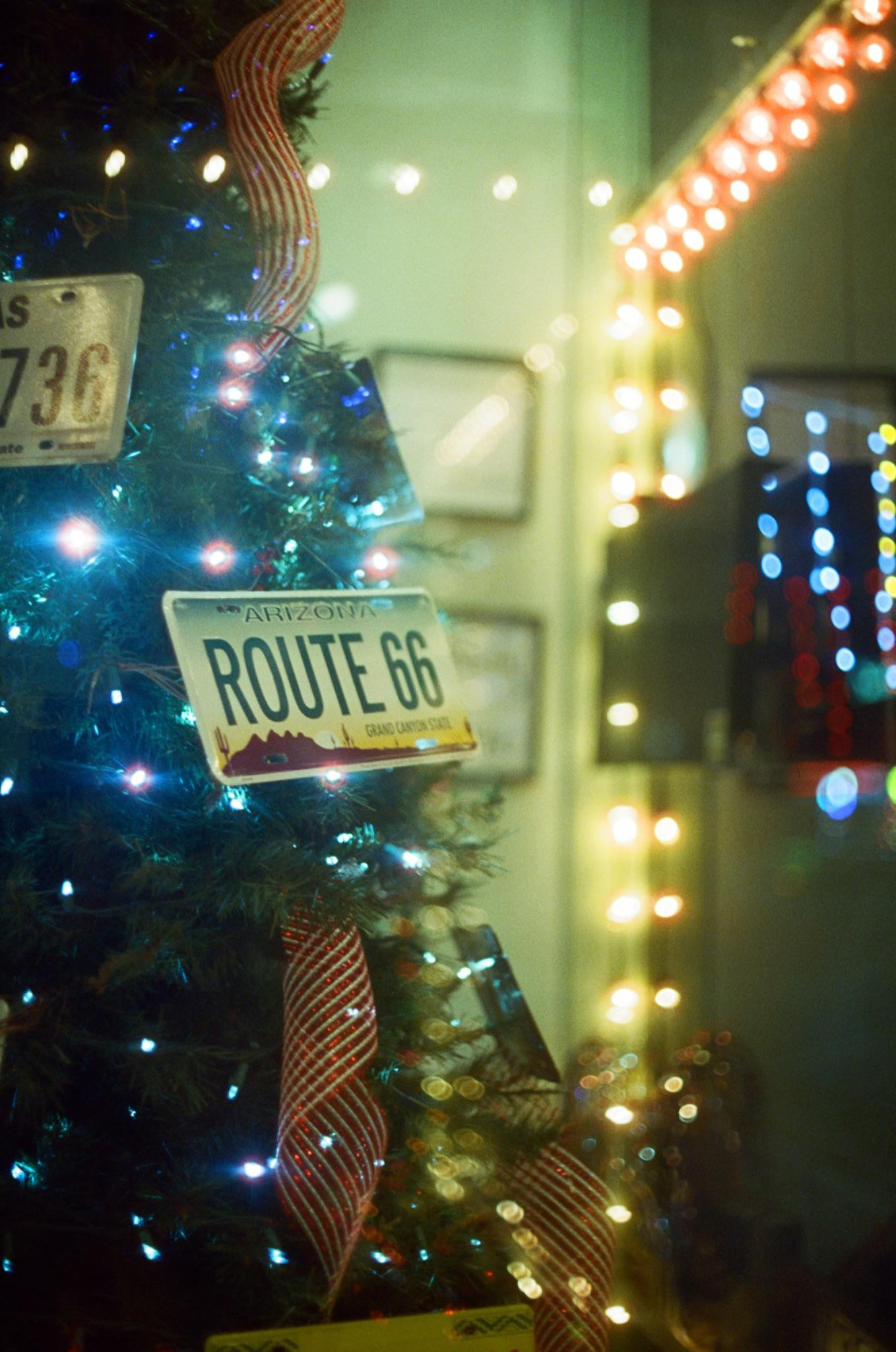
I didn’t grow up in the U.S. I was born in 2004, and the movie Cars came out in 2006. I grew up watching the movie on DVD. Route 66, red rock towns, Life Could Be A Dream, was my first- ever impression about the country across the Pacific, the United States.
My first time on Route 66 was in 2024, when I finally had a chance to visit there. I was very excited - probably because I also visited the Grand Canyon. After over a year, I revisited the towns I’ve been familiar with, Williams, Sedona, Flagstaff, and Seligman.
This time, without the famous national park on my plan, I wanted to spend Christmas there and photographed the Christmas there. I often heard that the movie Cars got inspiration from these Arizona towns, so I also visited/revisited these places to figure out how the movie combines these places, and how people have been surviving during these years after route 66 was taken down.
After driving in complete darkness for two hours, from Kingman, I finally arrived in Williams, Arizona. As usual, I walked into a bar. I tried my first Guinness there - it was non-alcohol.
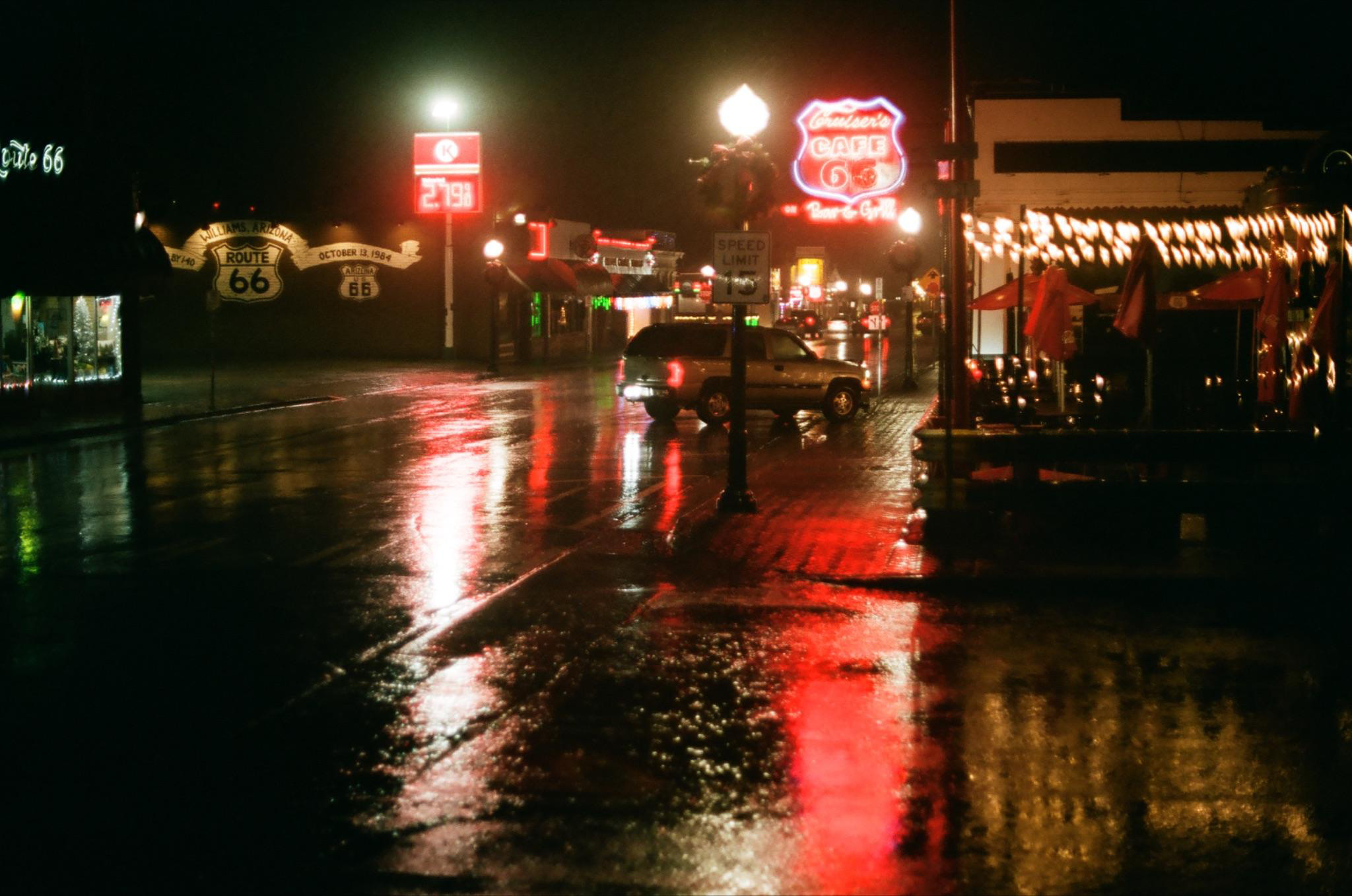
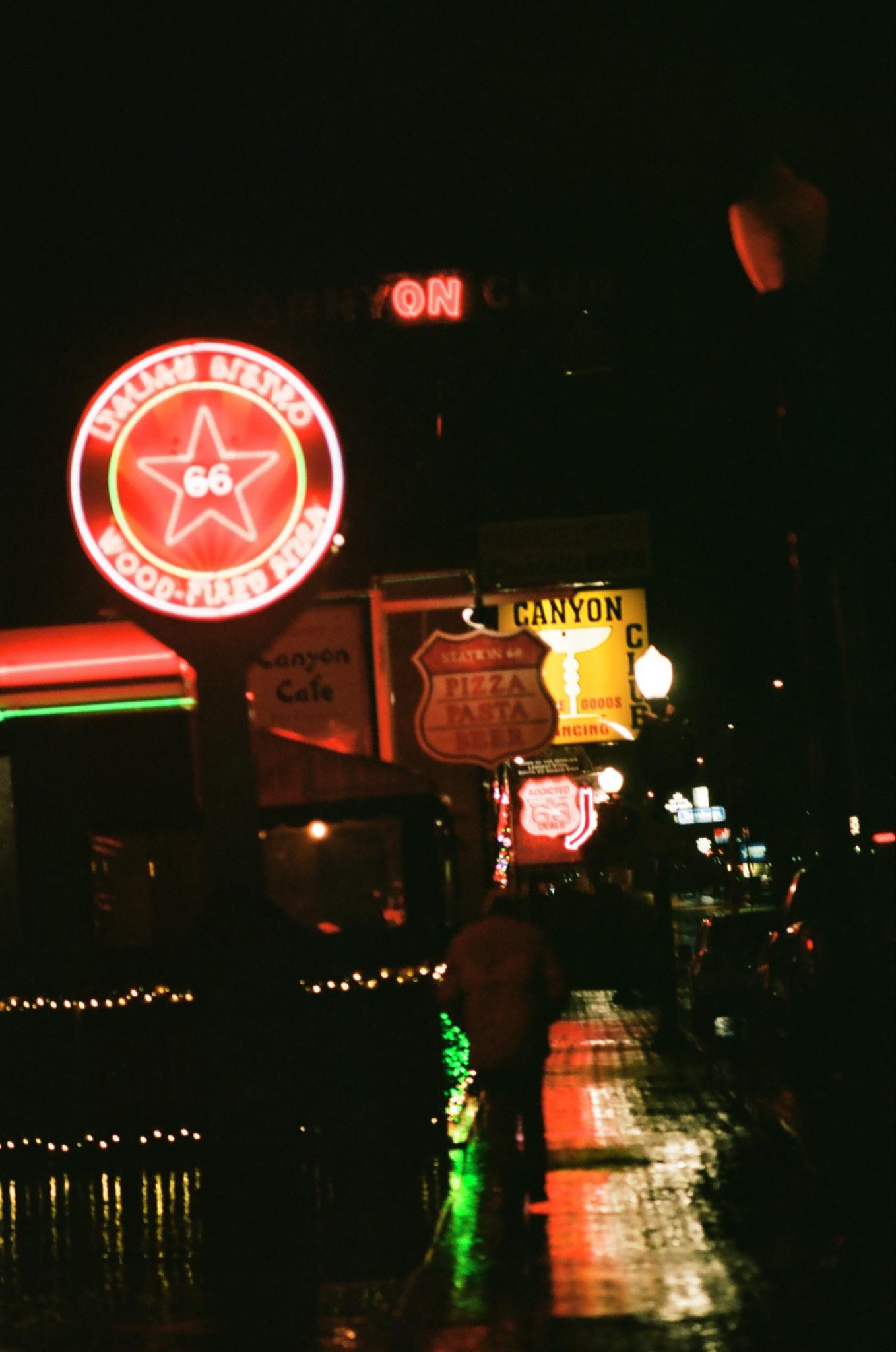
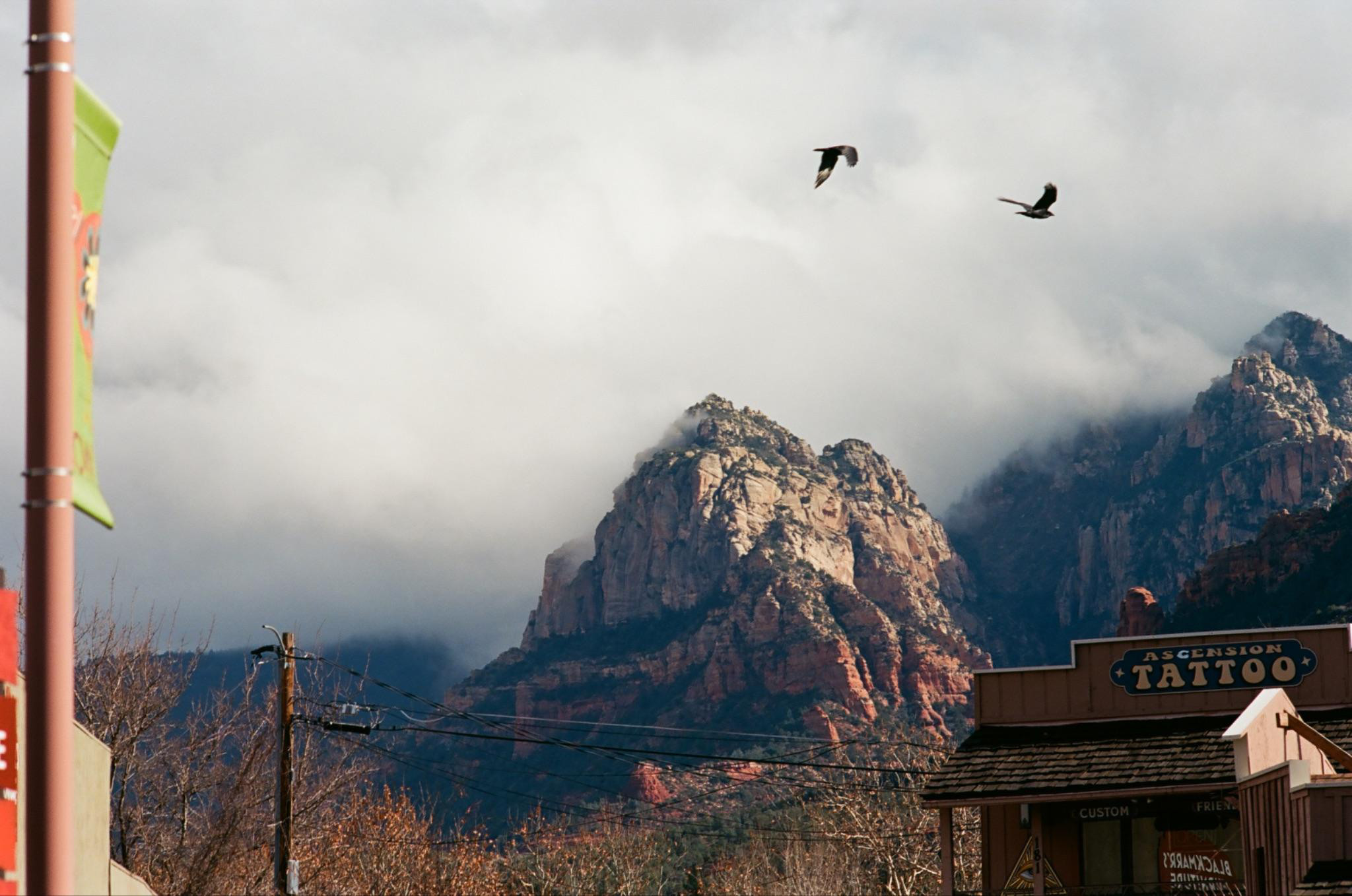
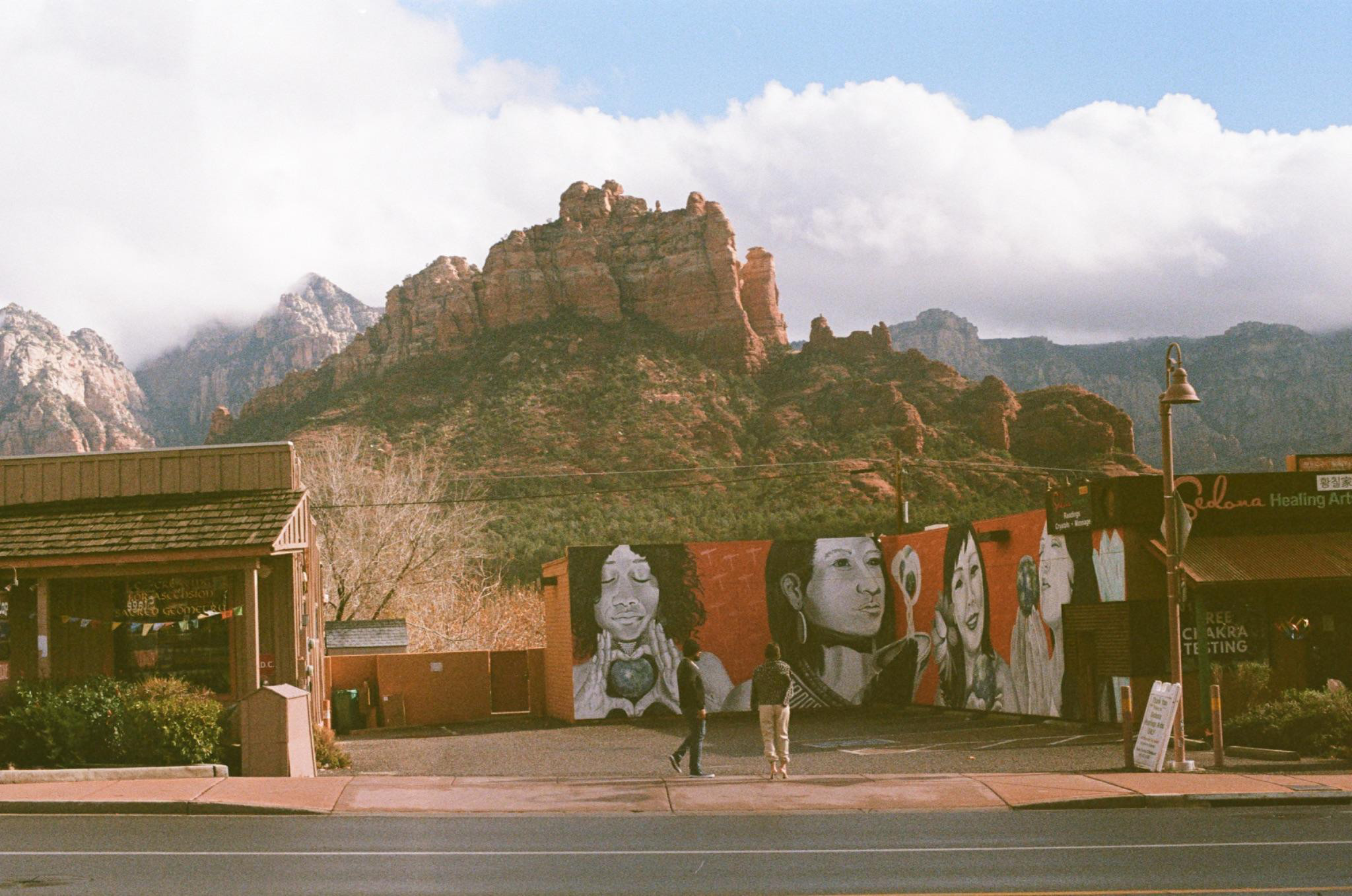
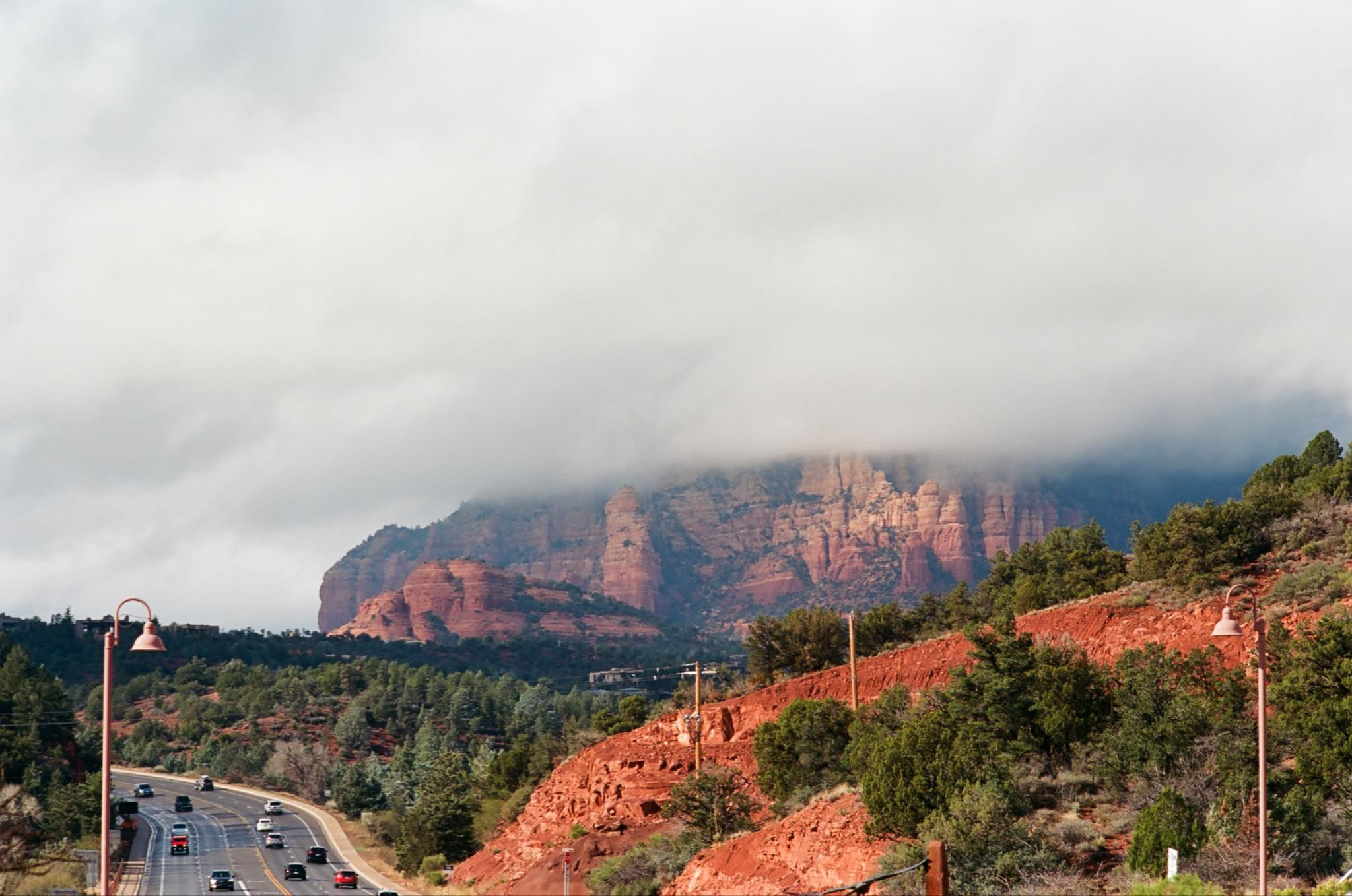
For me, it was a very good time to visit Northern Arizona during Christmas. I was expecting a white Christmas. However, I got plenty of rain. But it’s okay, I then got a chance to photograph Sedona in the rain, different from the impression of hot, sunny weather during the other months of the year. I believed Sedona is where the movie got the idea of the red rocks in the story background.
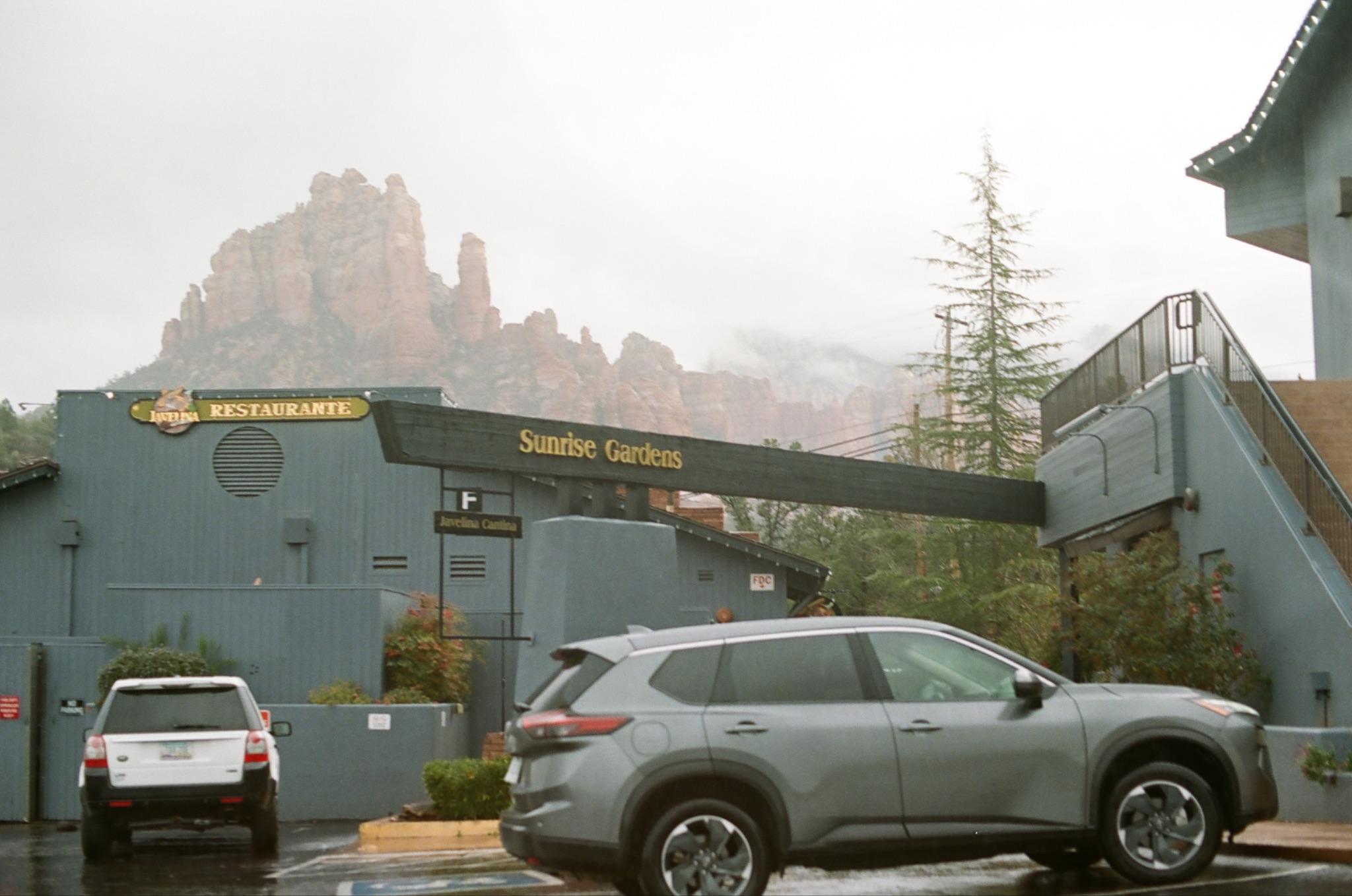
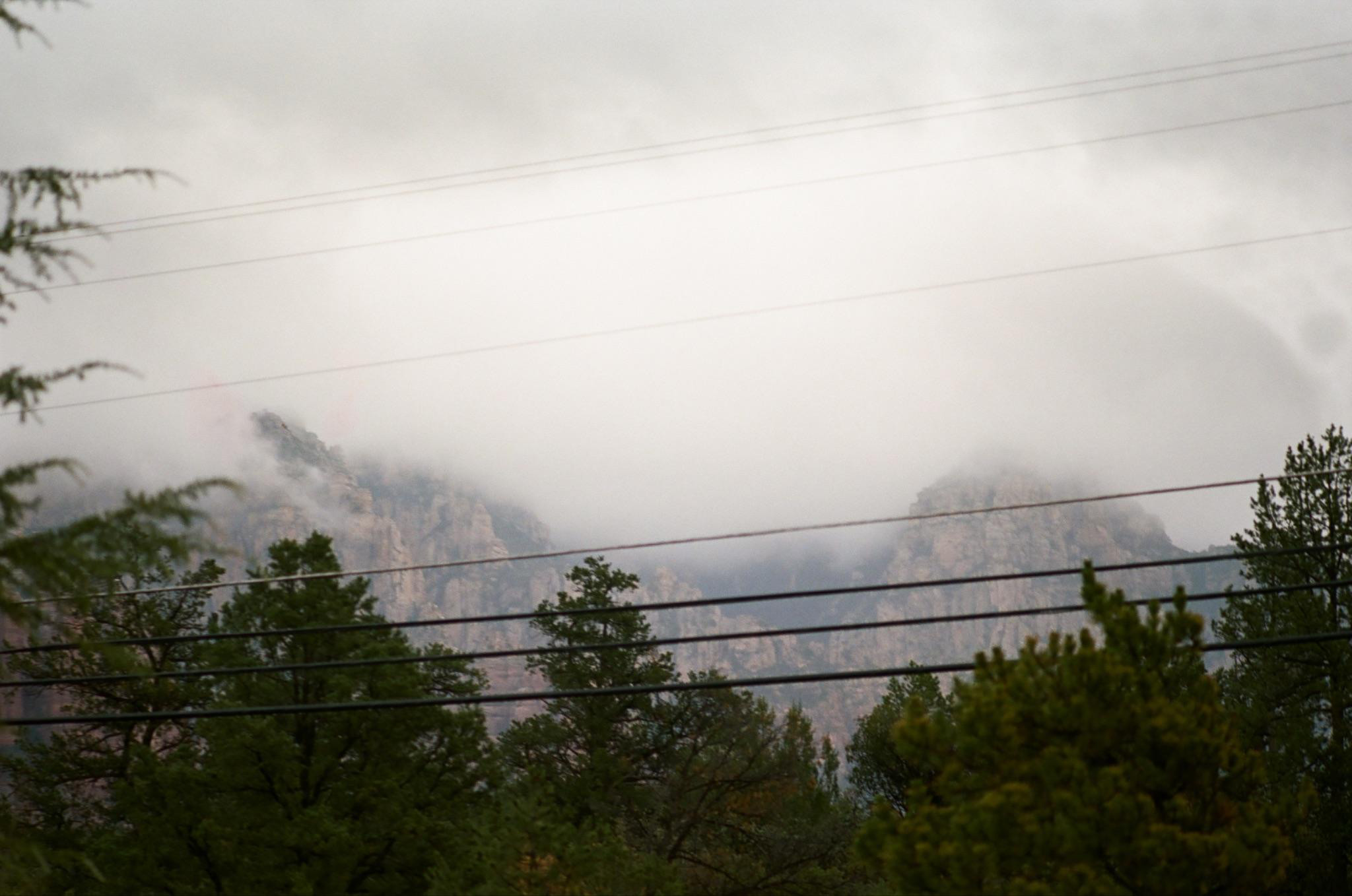
As the sun came out, the cloud didn’t vanish. More cars, people, and of course, birds, all came out. I spent my whole Christmas Day in Sedona, wandering through alleys, plazas, and streets.
The next morning, I got up early to capture the Grand Canyon Railway train. The train goes at 8am everyday. I took this train during my first visit to the Grand Canyon in 2024. I still remember their vintage interior and some cowboy skits on the way back. But this time, I wanted to be an outsider. I was there until the train disappeared from the horizon.
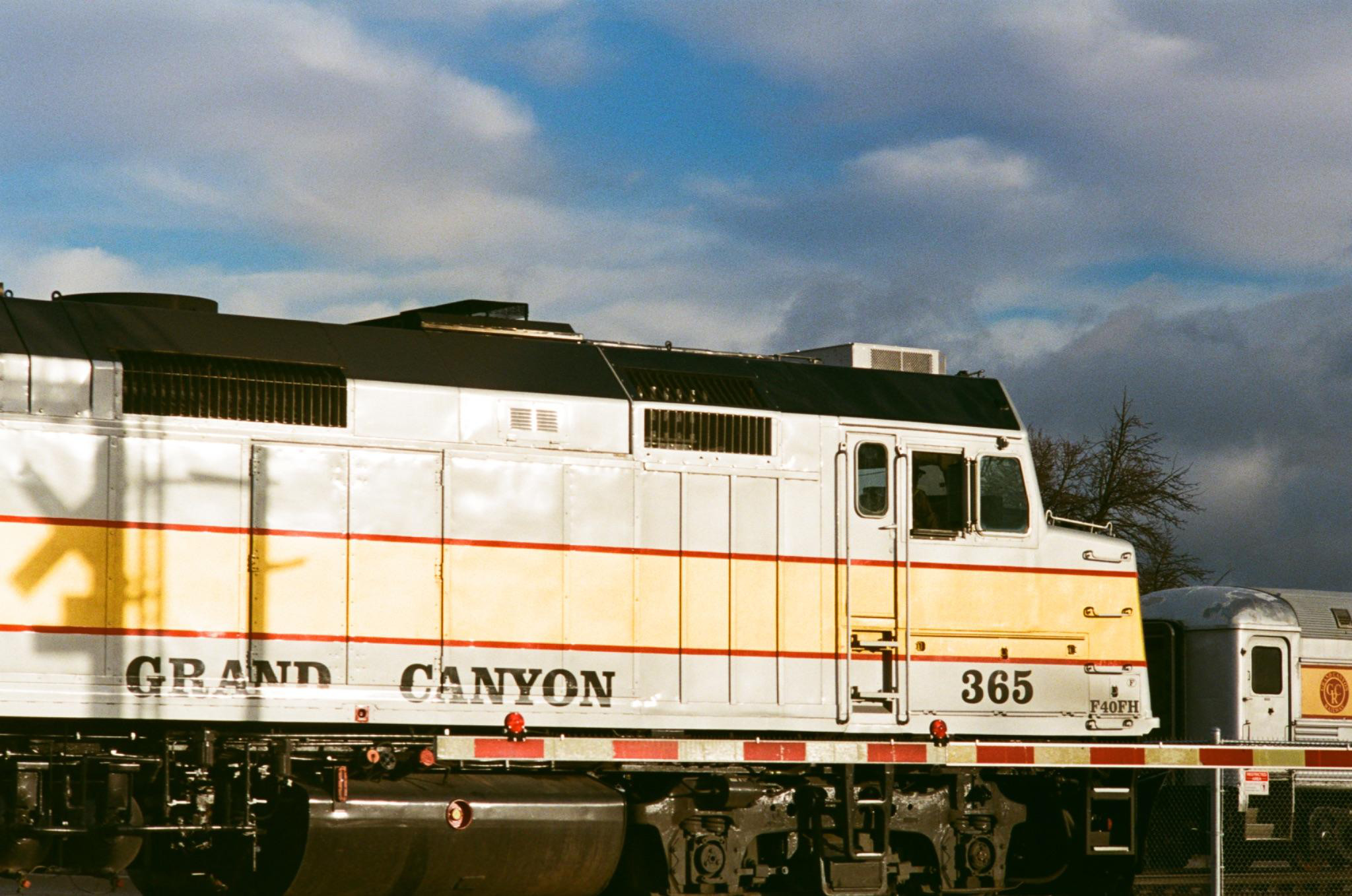
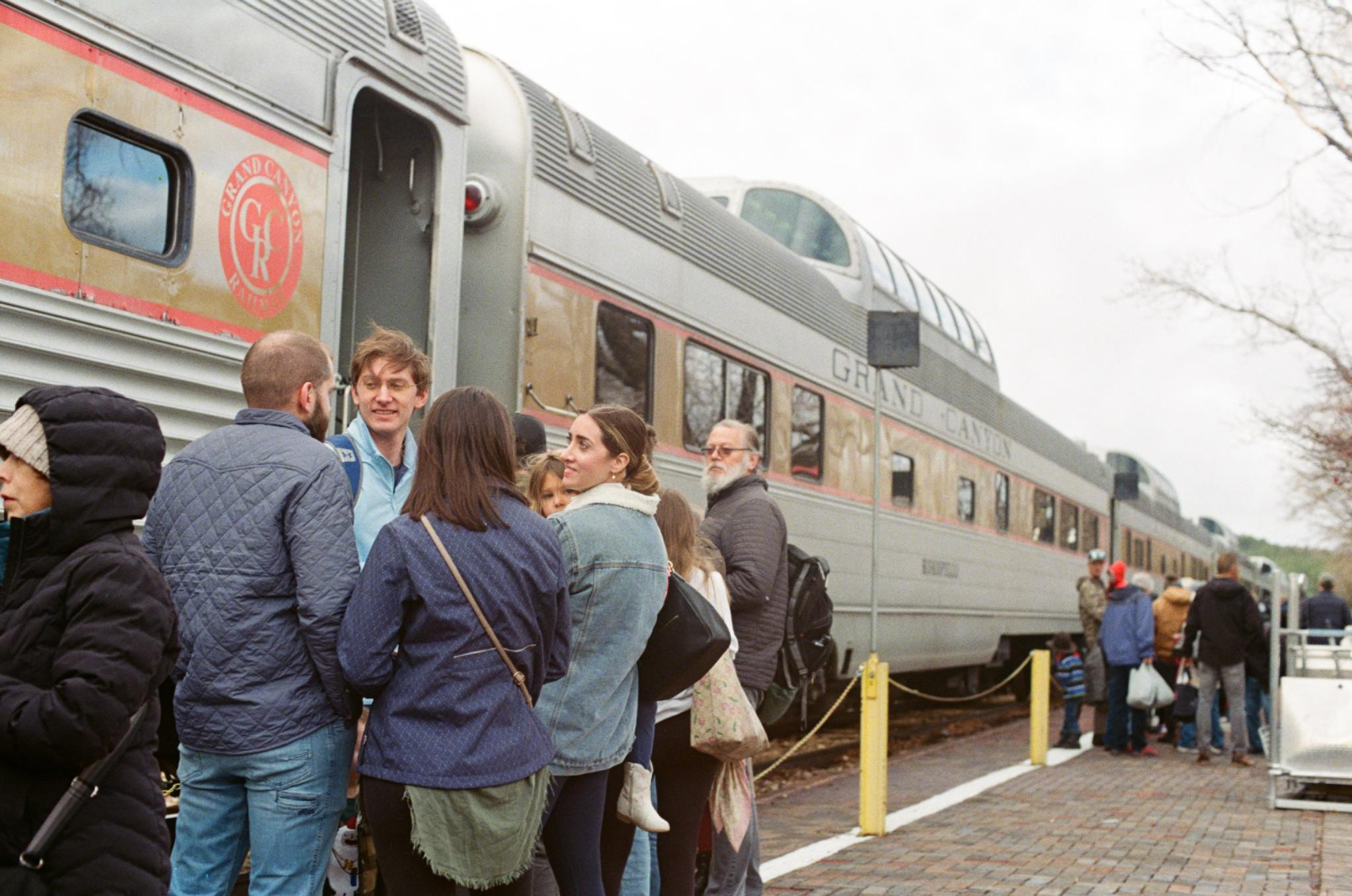
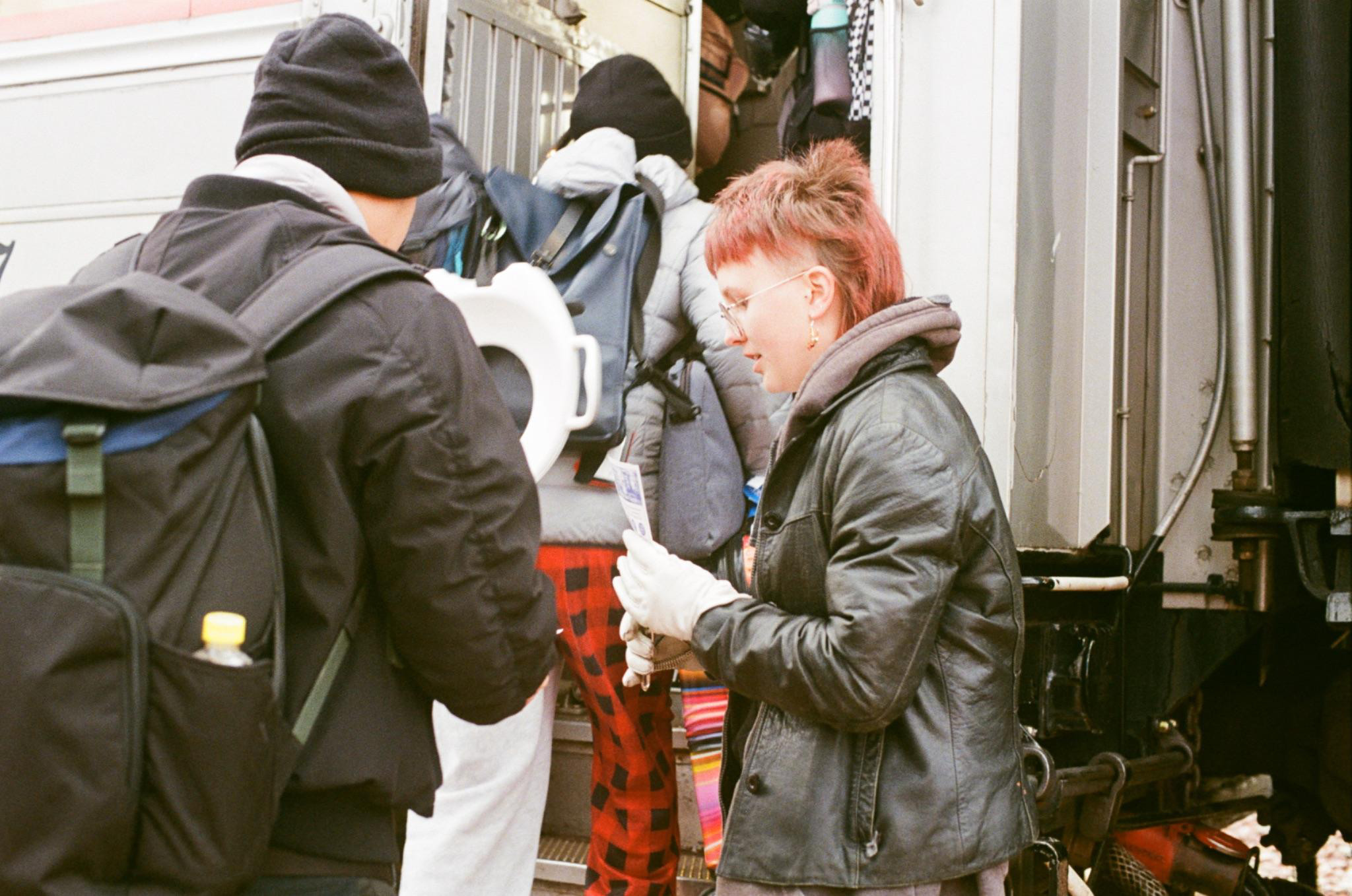
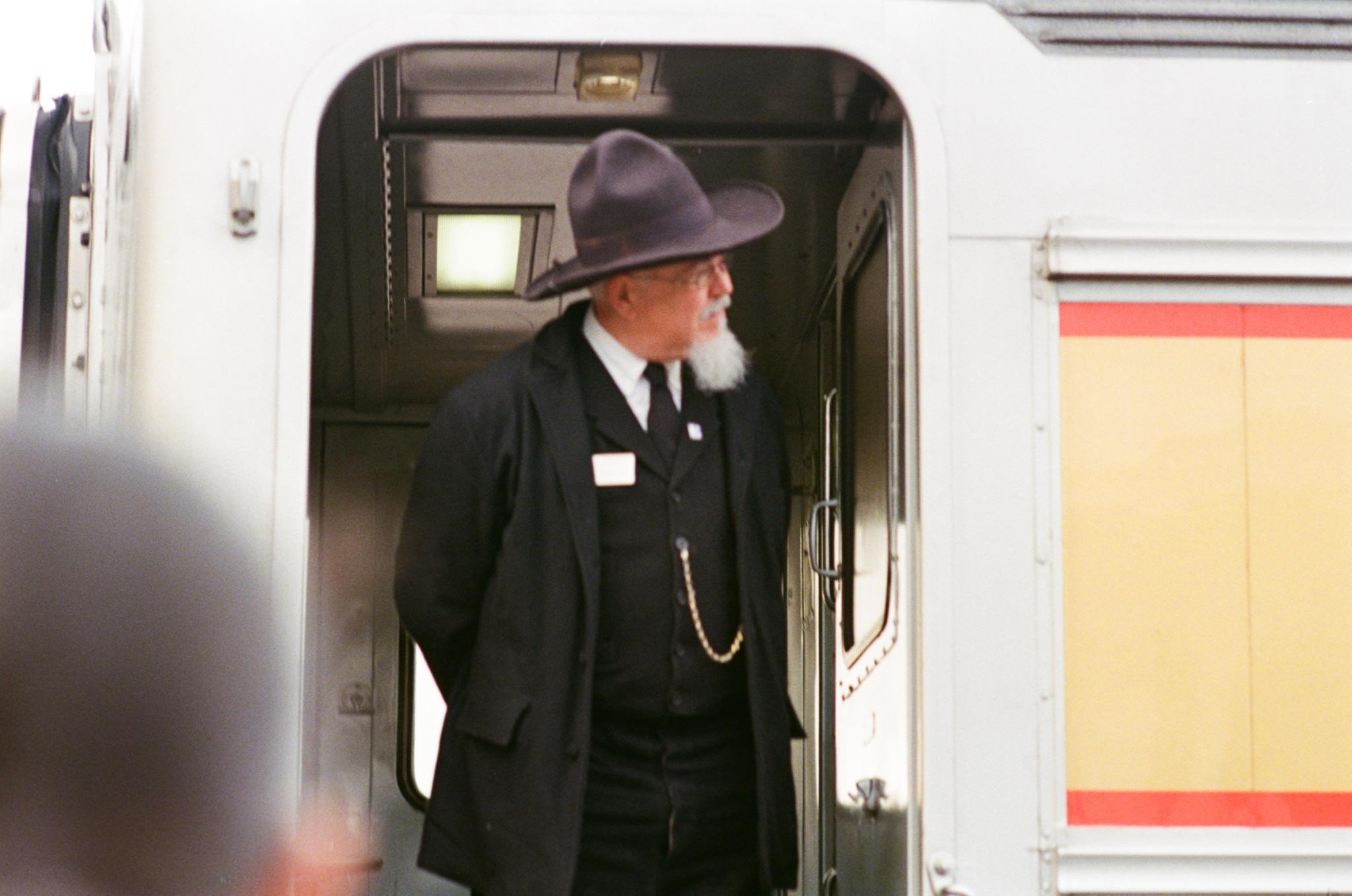
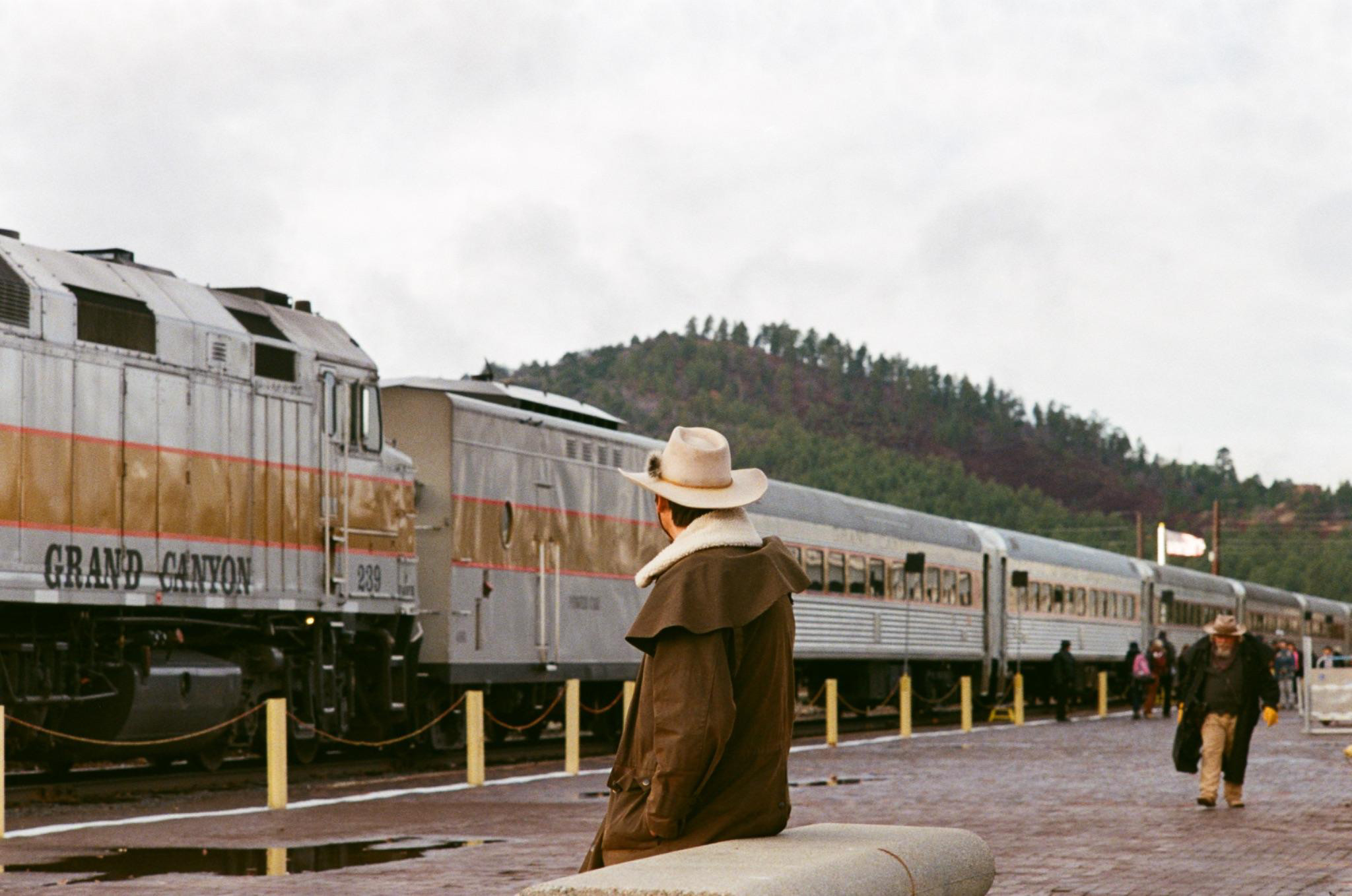
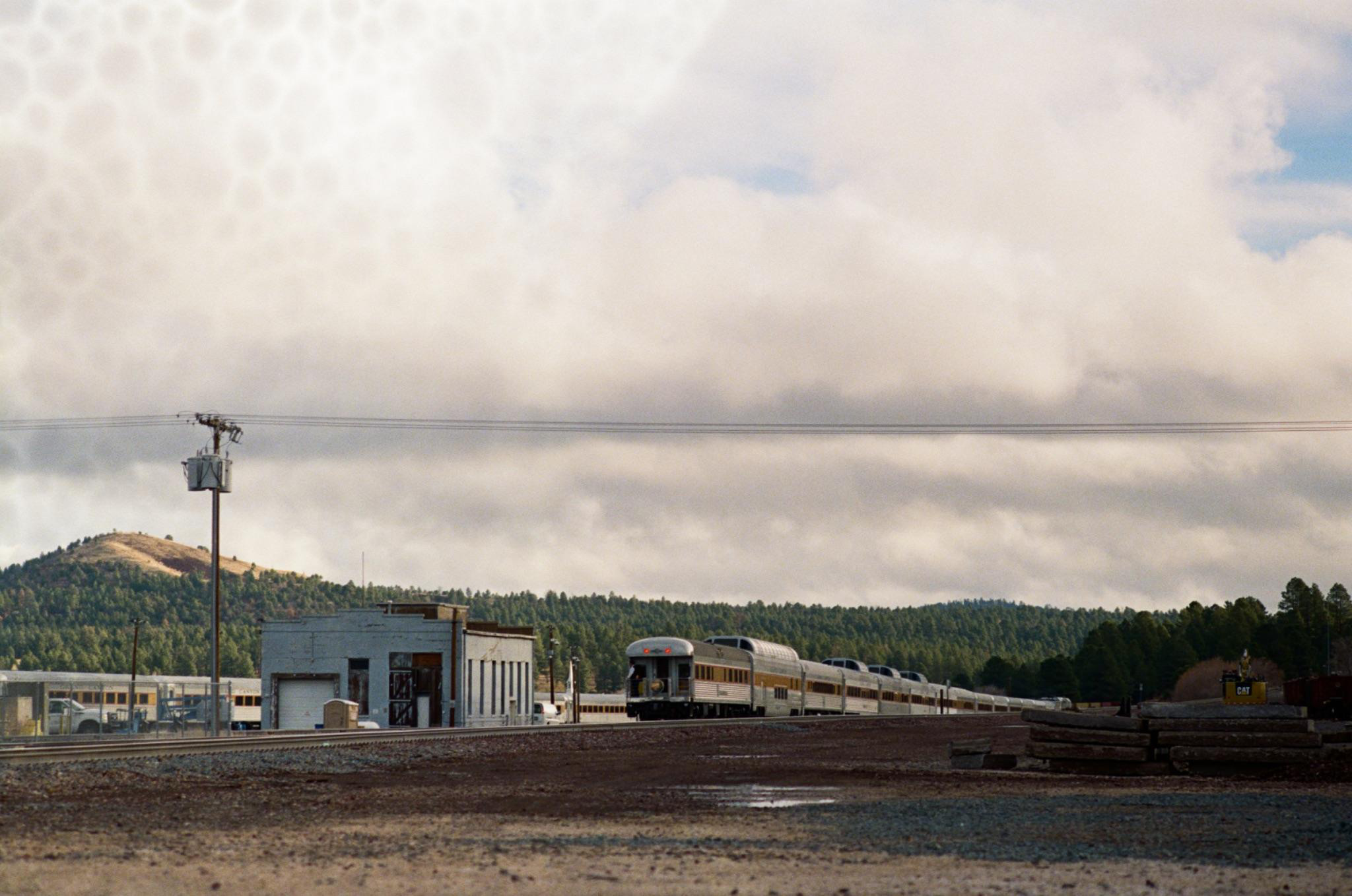
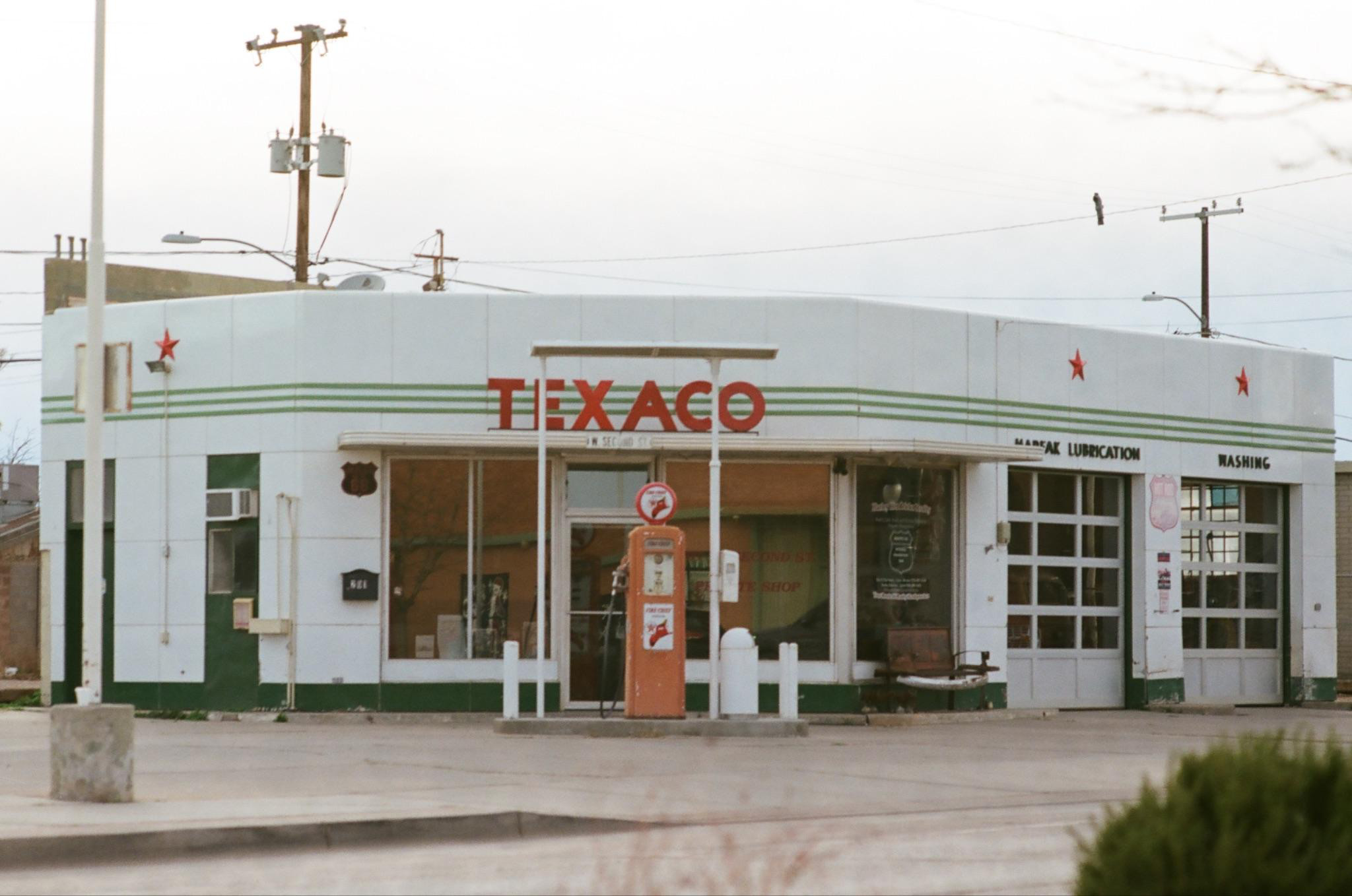
Williams is called the Gateway to the Grand Canyon. It was also one of the last few towns bypassed by I-40. Tourists around the world visit this tiny town. Their destinations are both the canyon and the route, mostly the canyon. Williams saves Route 66. Route 66 needs Williams. I believe it is also one of the very few living towns on Route 66, and that’s why Williams seems not in the movie.
I just knew Route 66 was going to celebrate its 100th anniversary when I was photographing some souvenir shops. It was just one week from when I was there. I guess 99 was not bad.
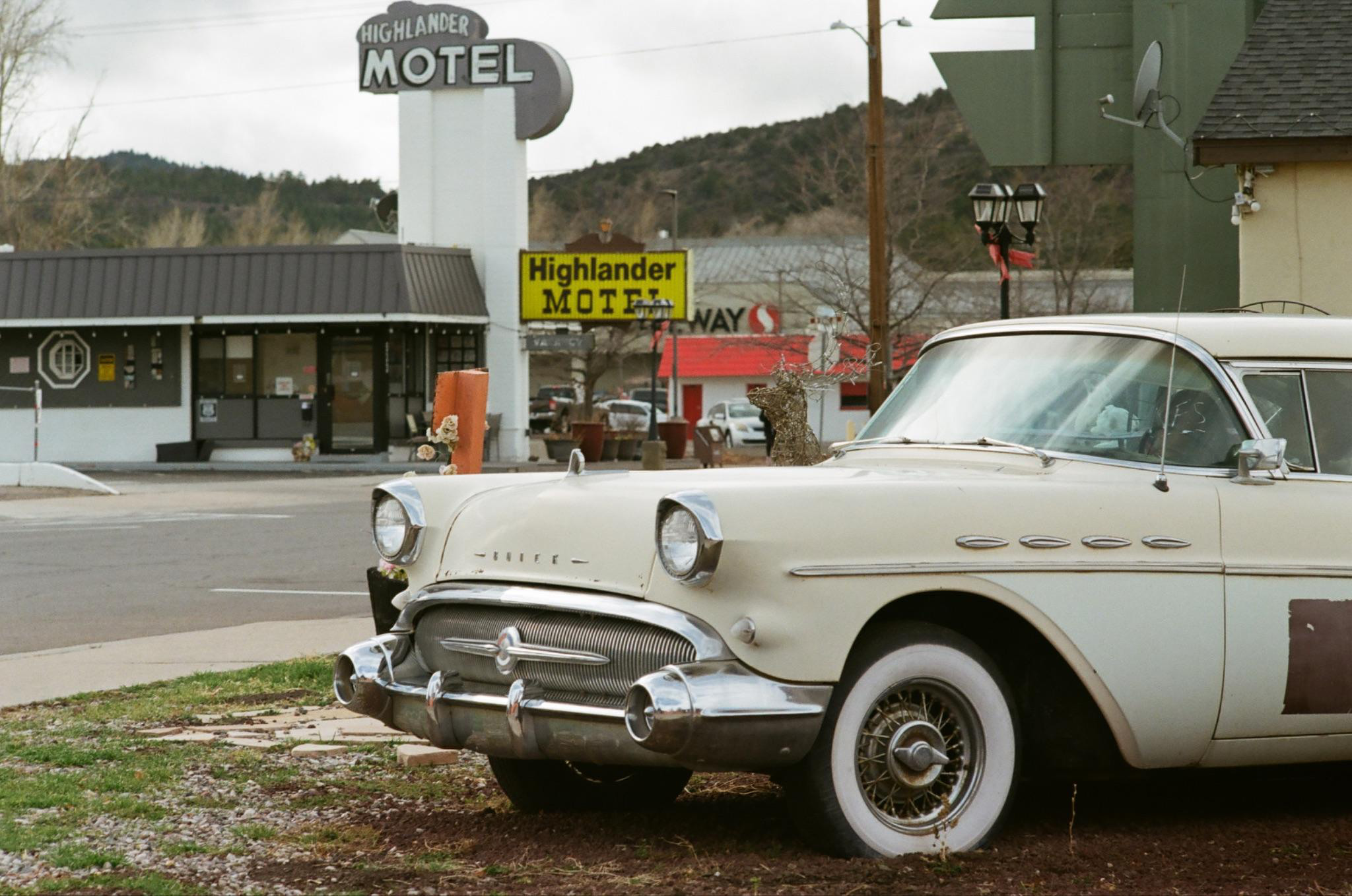
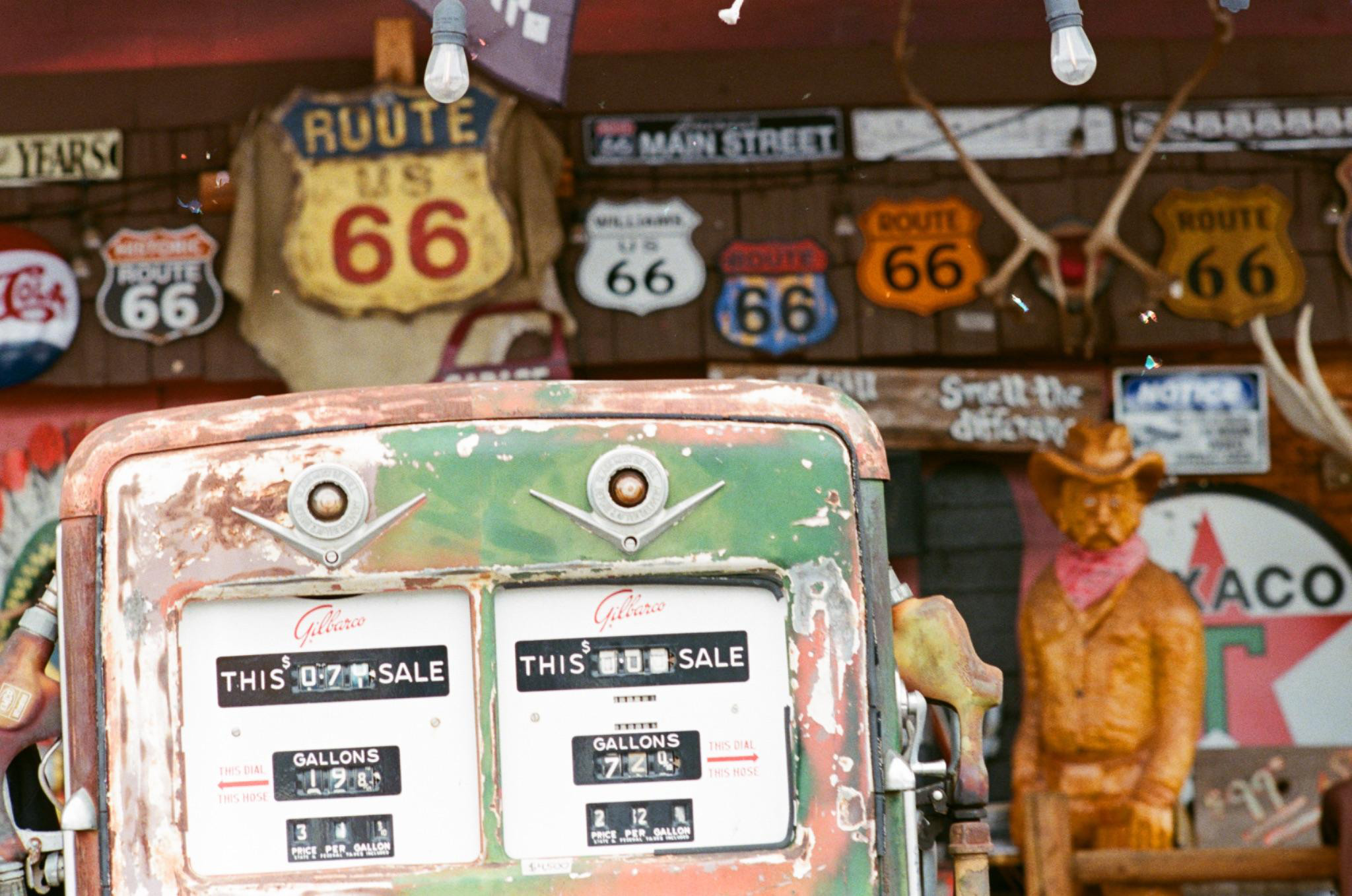
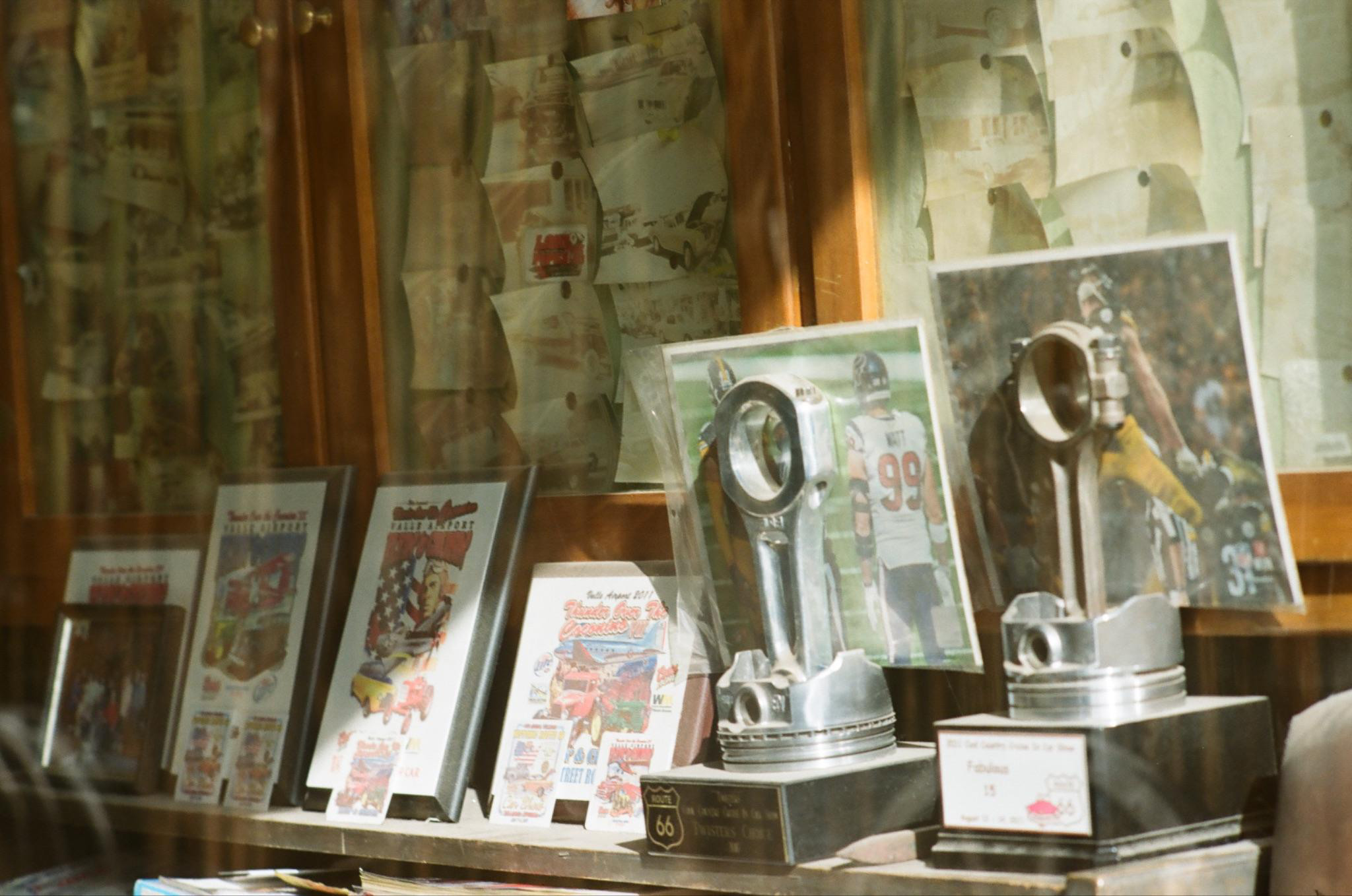
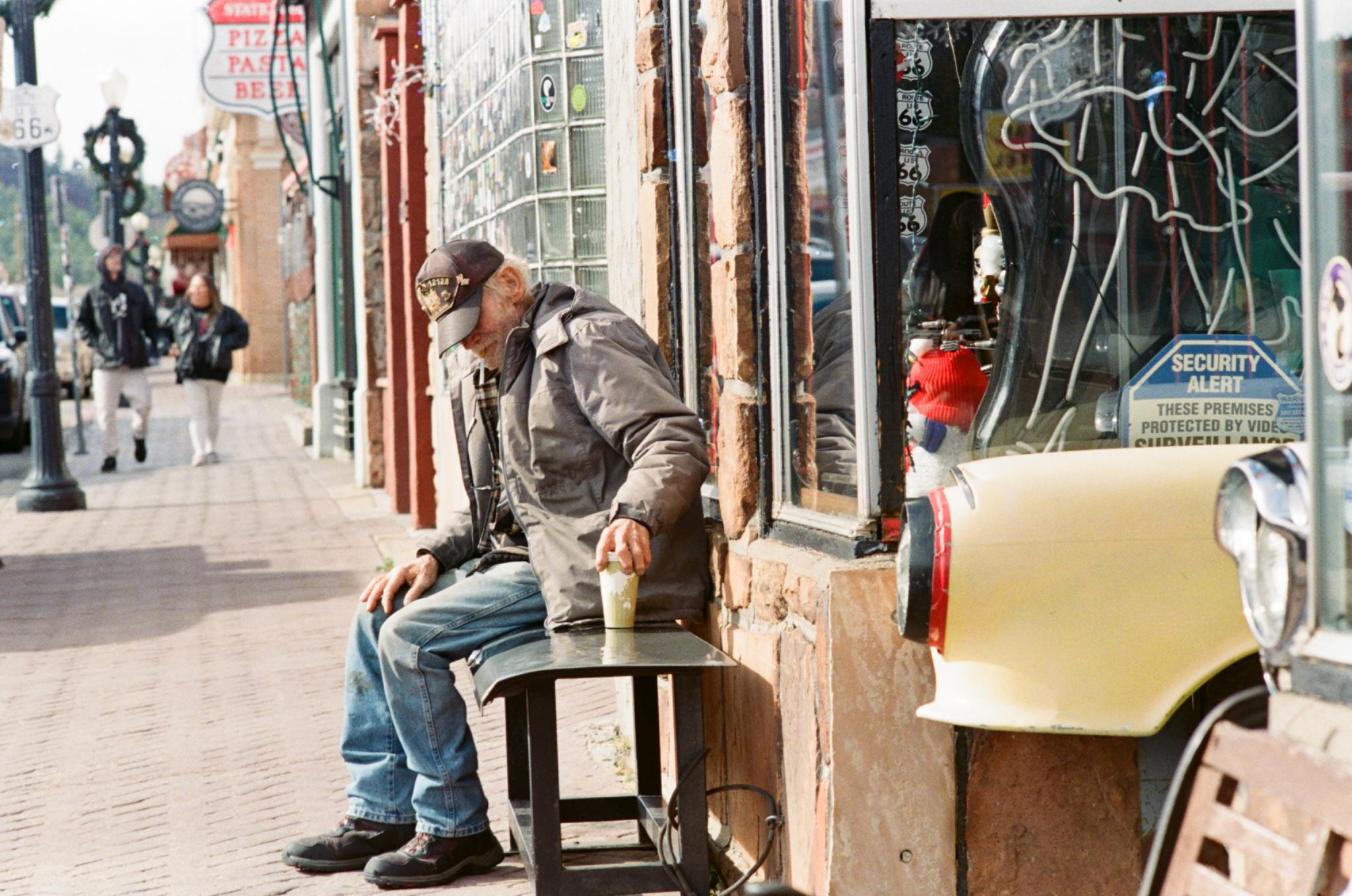
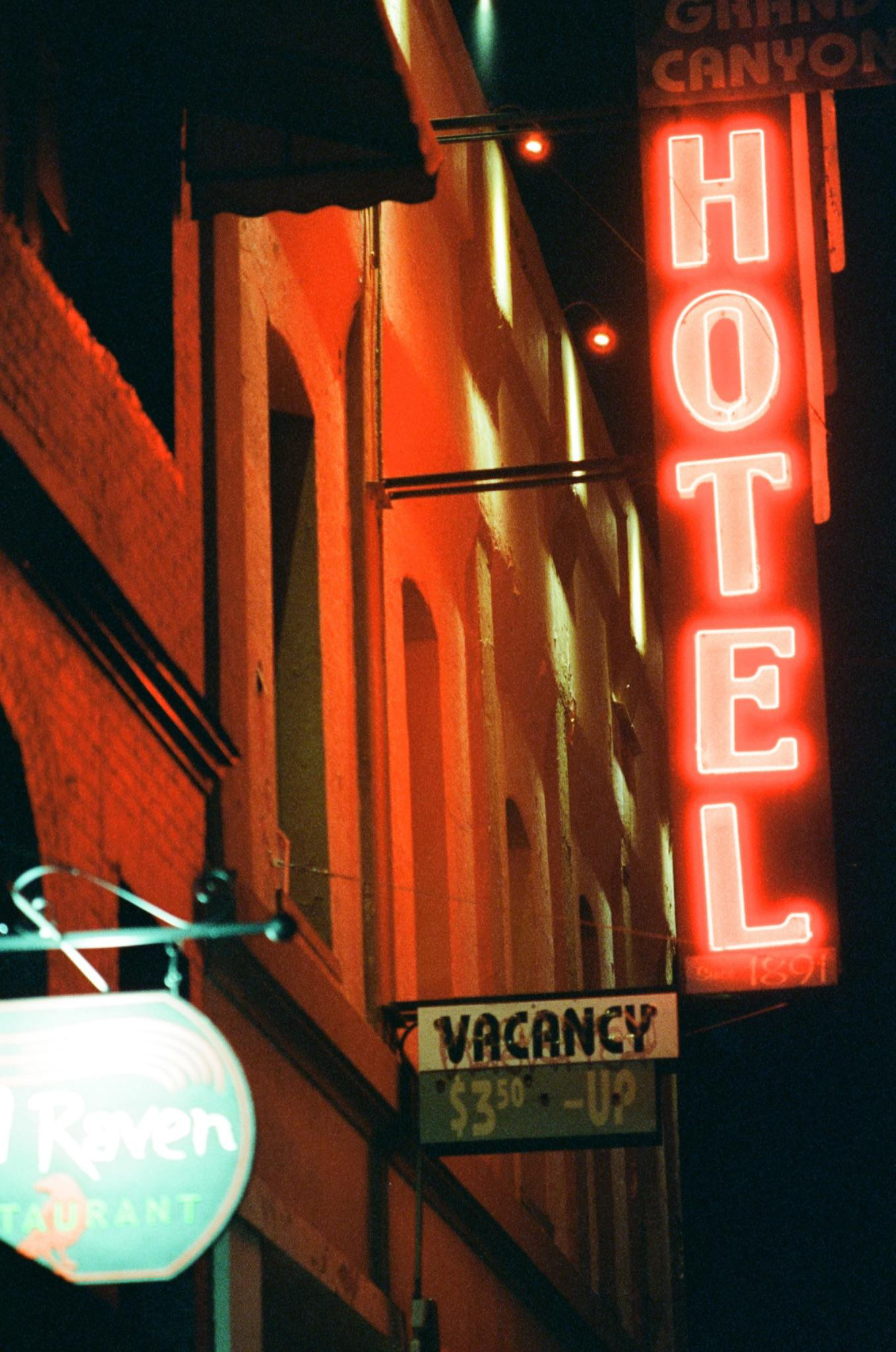
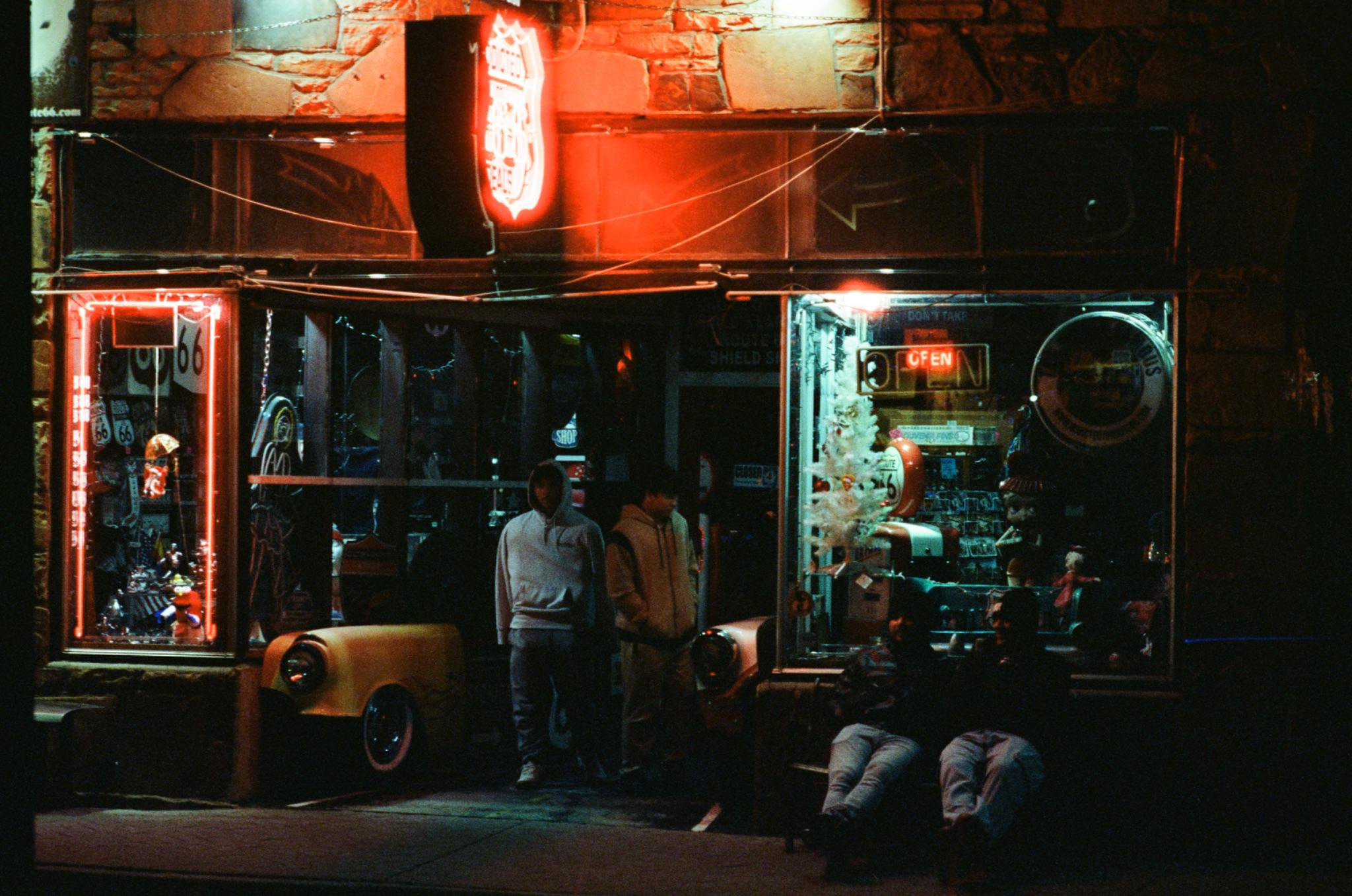
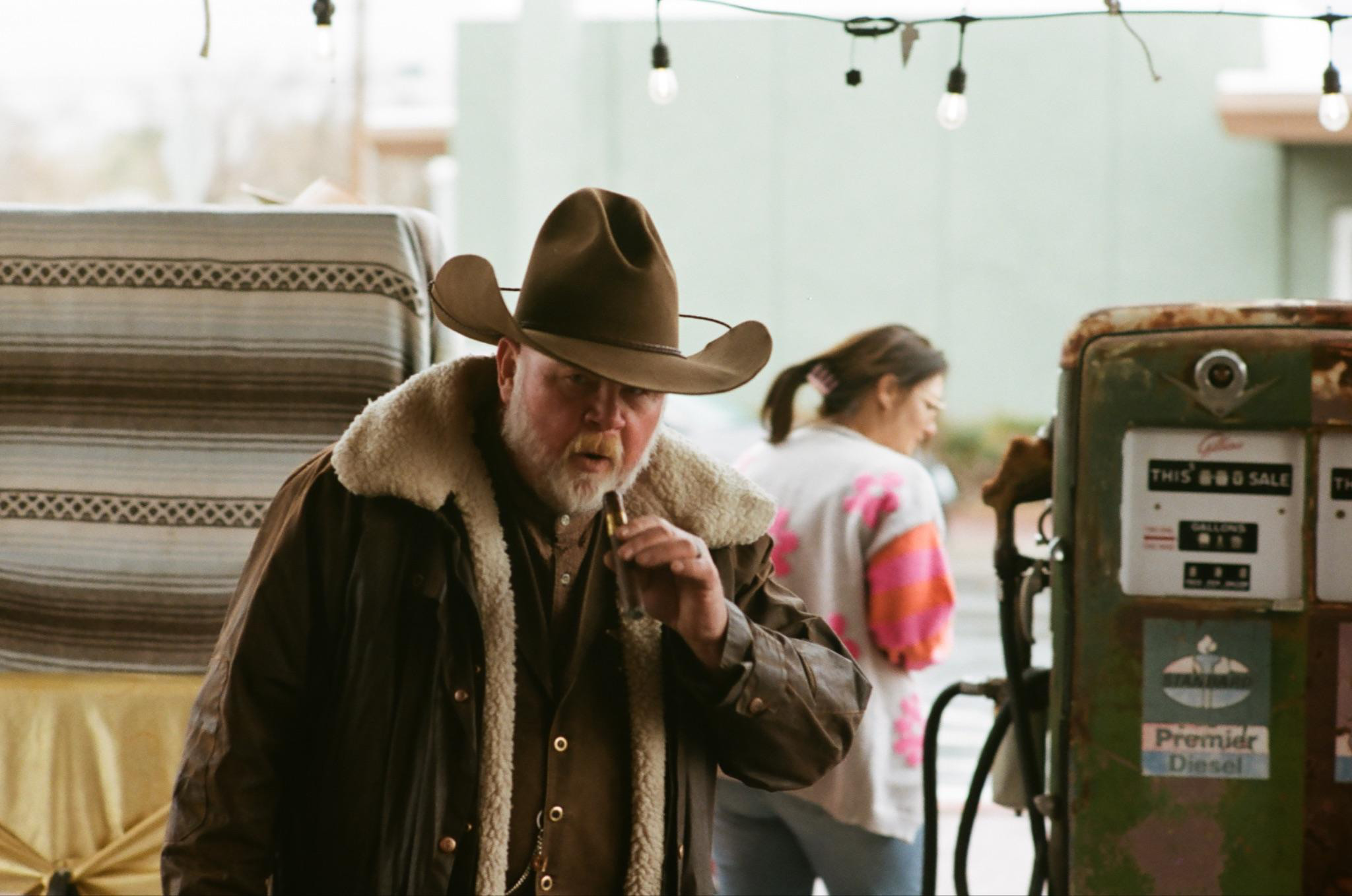
I wasn’t lucky. I only had my motel room for only two nights, and I was too late to book a third night. I had to move to Winslow, where I hadn’t been to. The Williams motel owner was from India. I showed her the Indian money I got from my classmate and online. She was very surprised and hadn’t seen one for years.
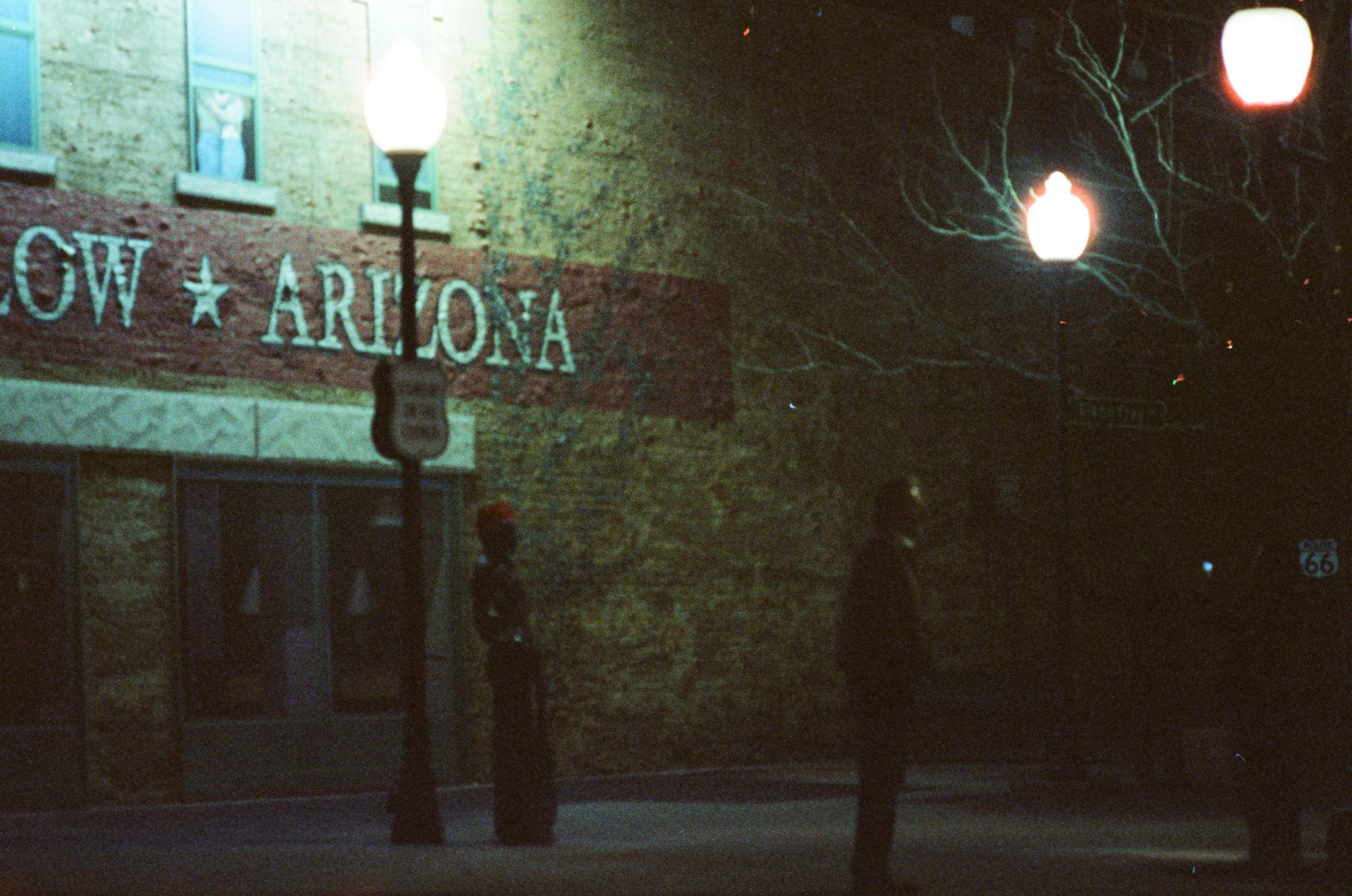
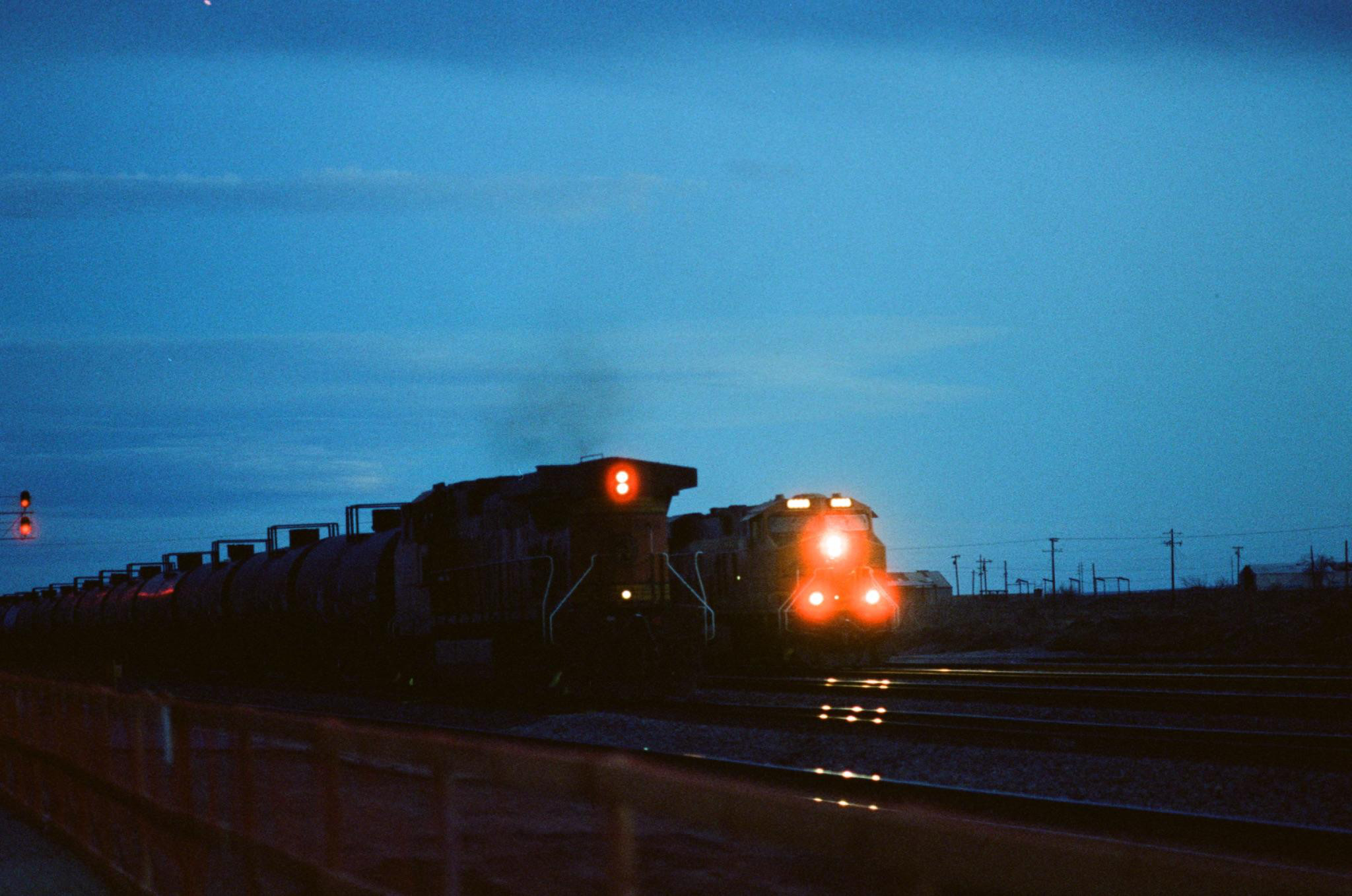
Winslow was closer to the interior view of the town in the movie. The streets were pretty dead. Shops were closed until I got close to the city center. Winslow is also famous because an Eagles song mentioned it. The corner of Winslow. I also got my favorite train photo in Winslow station.
Staying in Winslow for a night, then Williams for the next morning, I headed west to Kingman. I decided to get on the old Route 66 again, from Ash Fork.
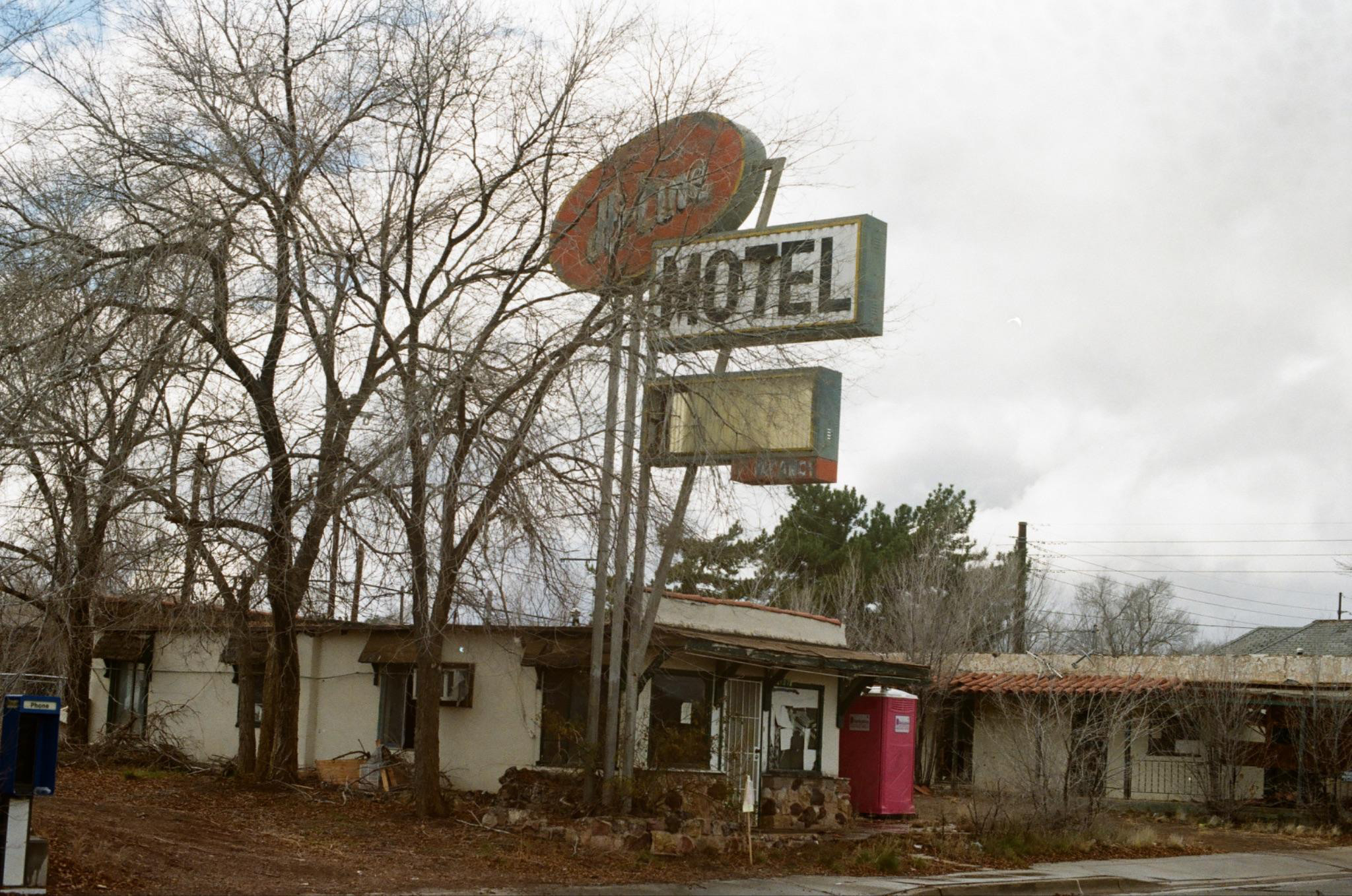
Ash Fork is a real nearly dying town. Very small. Very empty. But still a few houses and people lived in them. I only met some truck drivers. They were resting. A real place reaches the end of its cycle, where the town from the movie was facing if the race car didn’t break in. In the old days where cars couldn’t go that far, Ash Fork might be somewhere to stop for a night, before they hit California. Now, 1 hour from Flagstaff, and 1.5 hours away from Kingman, and few attractions, give travelers few reasons to stop.
I walked into an abandoned motel in Ash Fork. This is the side that social media won’t let you know.
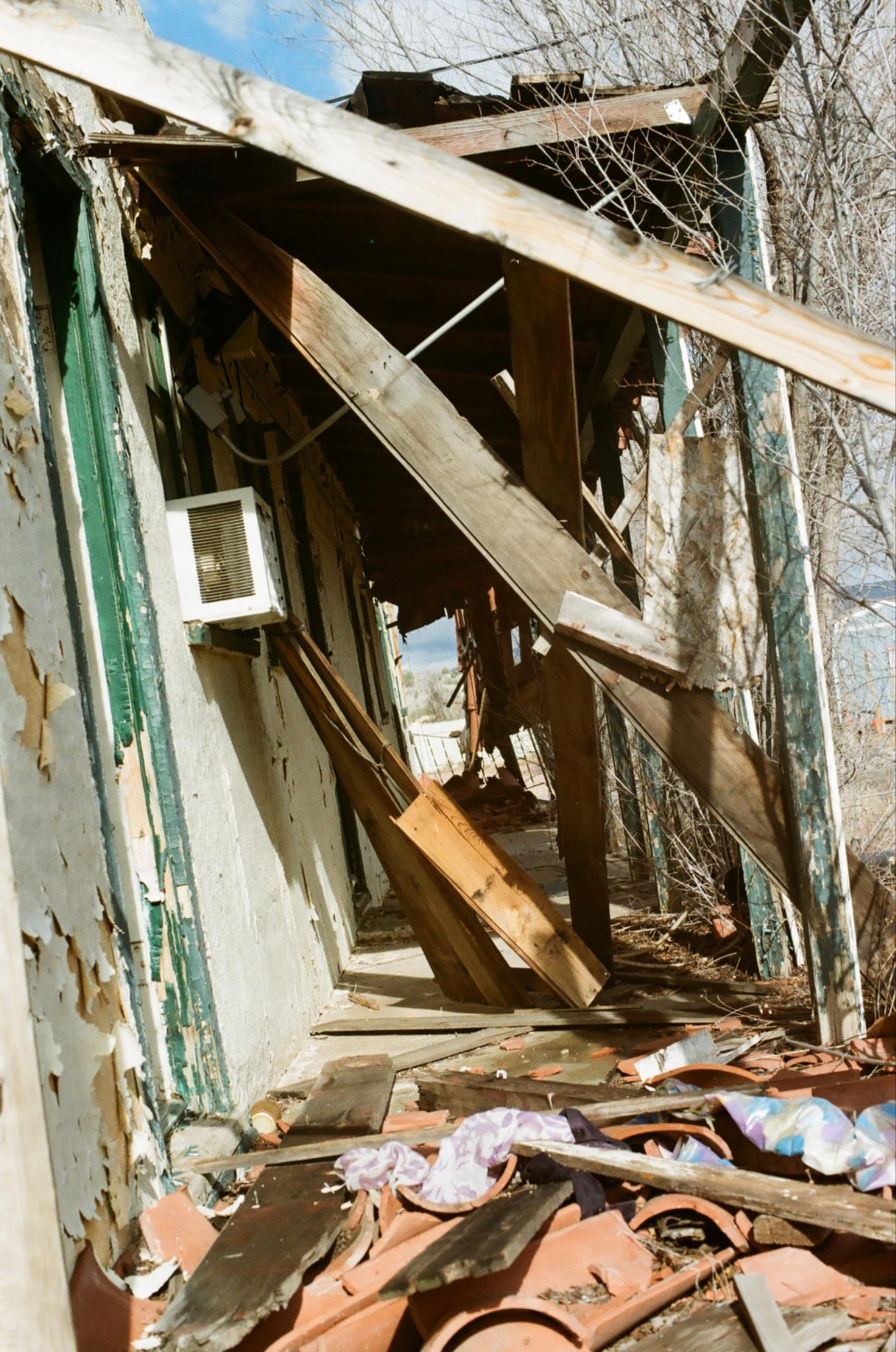
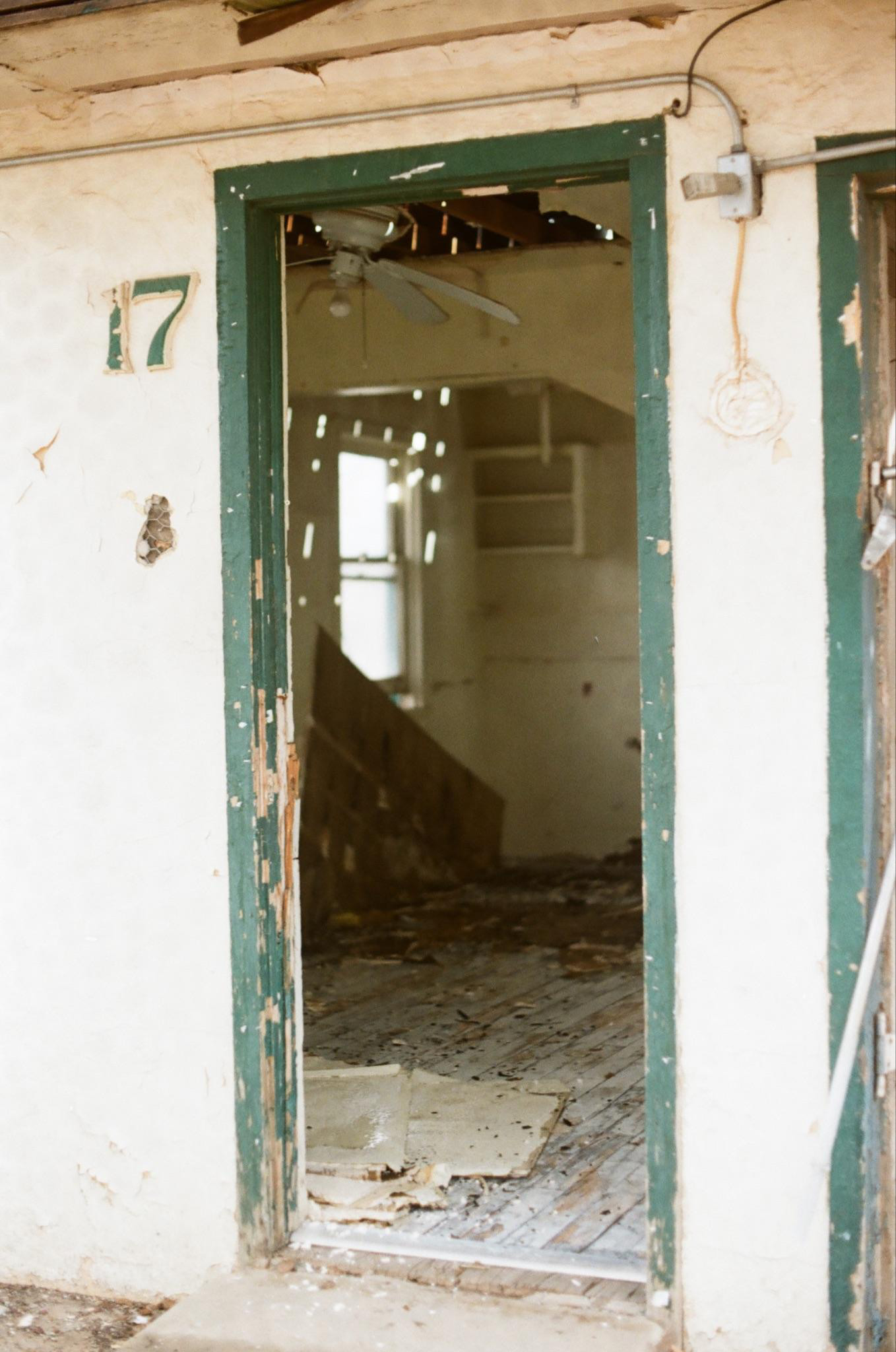
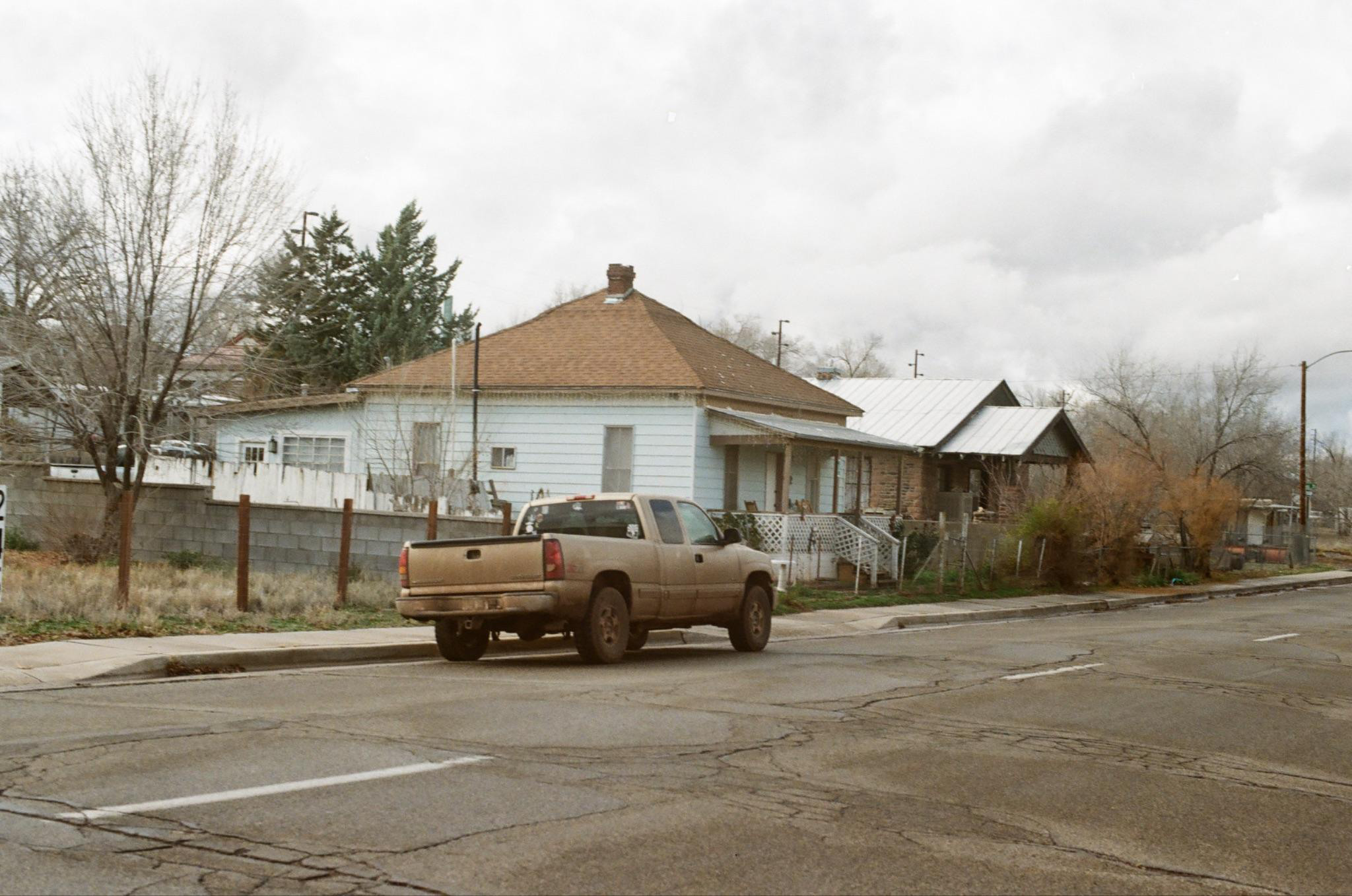
Seligman was the next. I shared my opinion with a souvenir shop owner. I said, the town from the movie is a combination of several towns – Sedona, because of the red rock, Williams, because of the size, and Winslow, because of the streets. She insisted, no, it’s definitely Seligman. The movie official never revealed which town they were using. Why did she insist? Along the way, I had never seen a town emphasizing the movie that much. And the route. If the town just leaves as it is, would it be another Ash Fork?
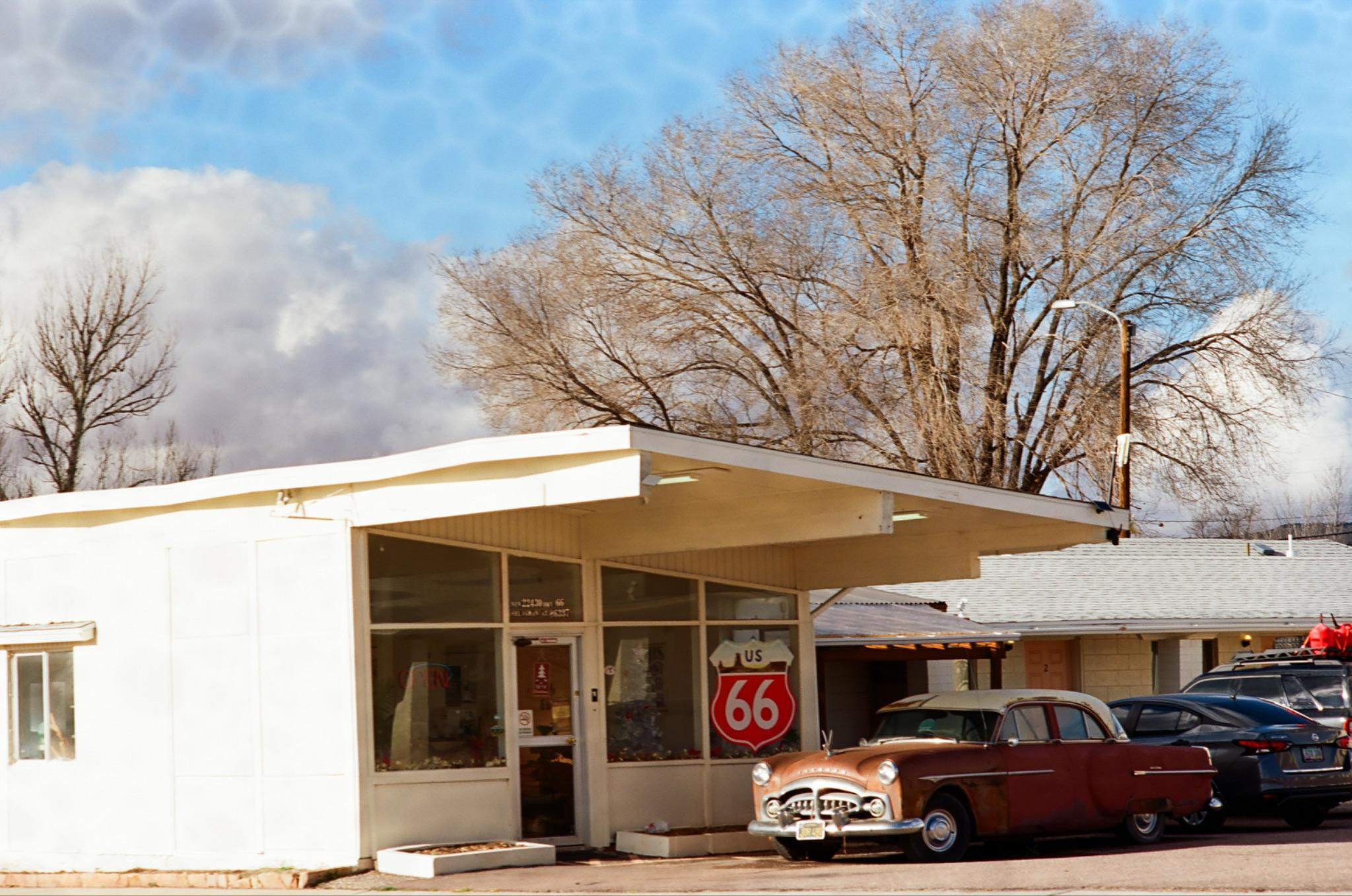
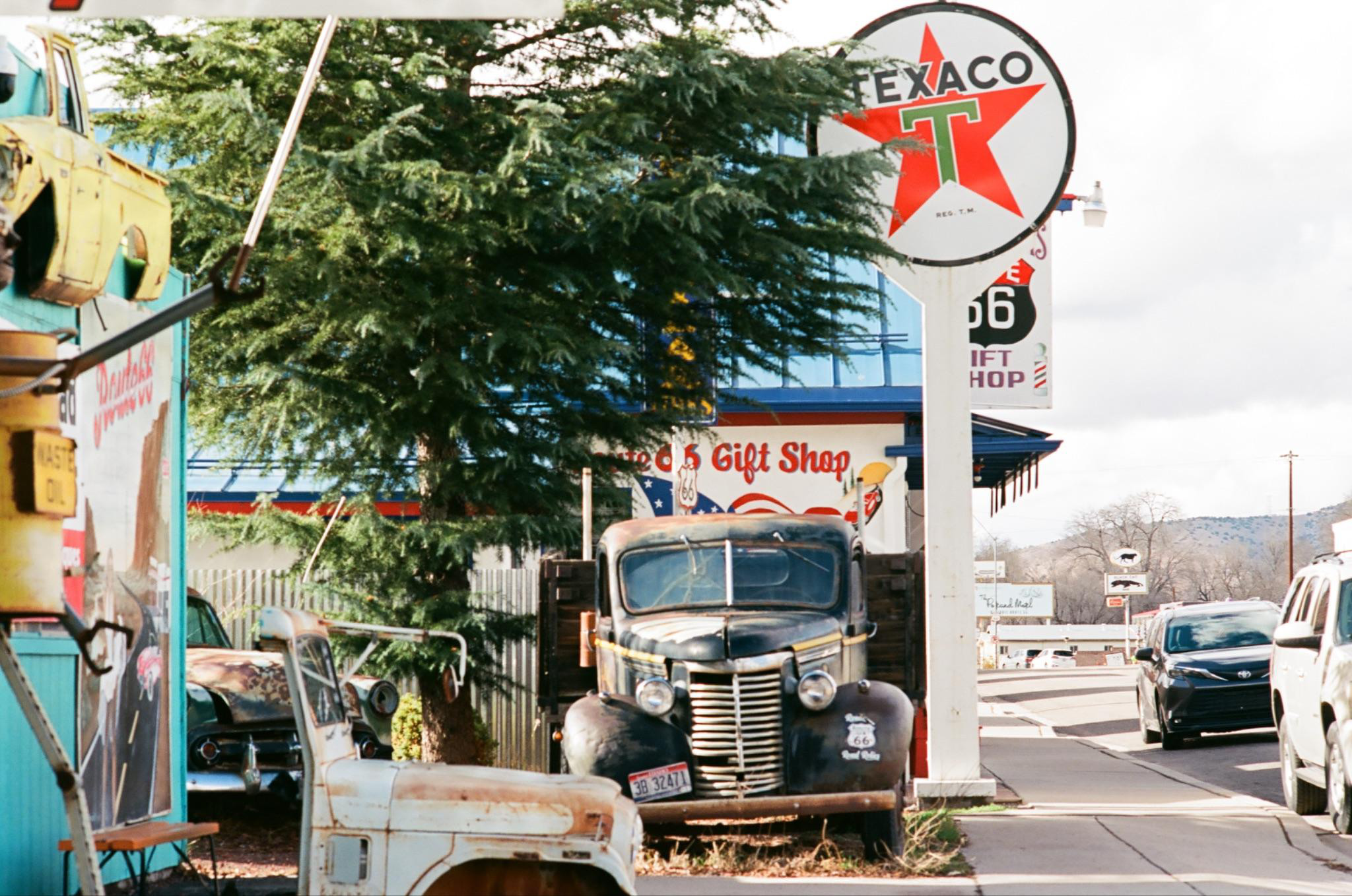
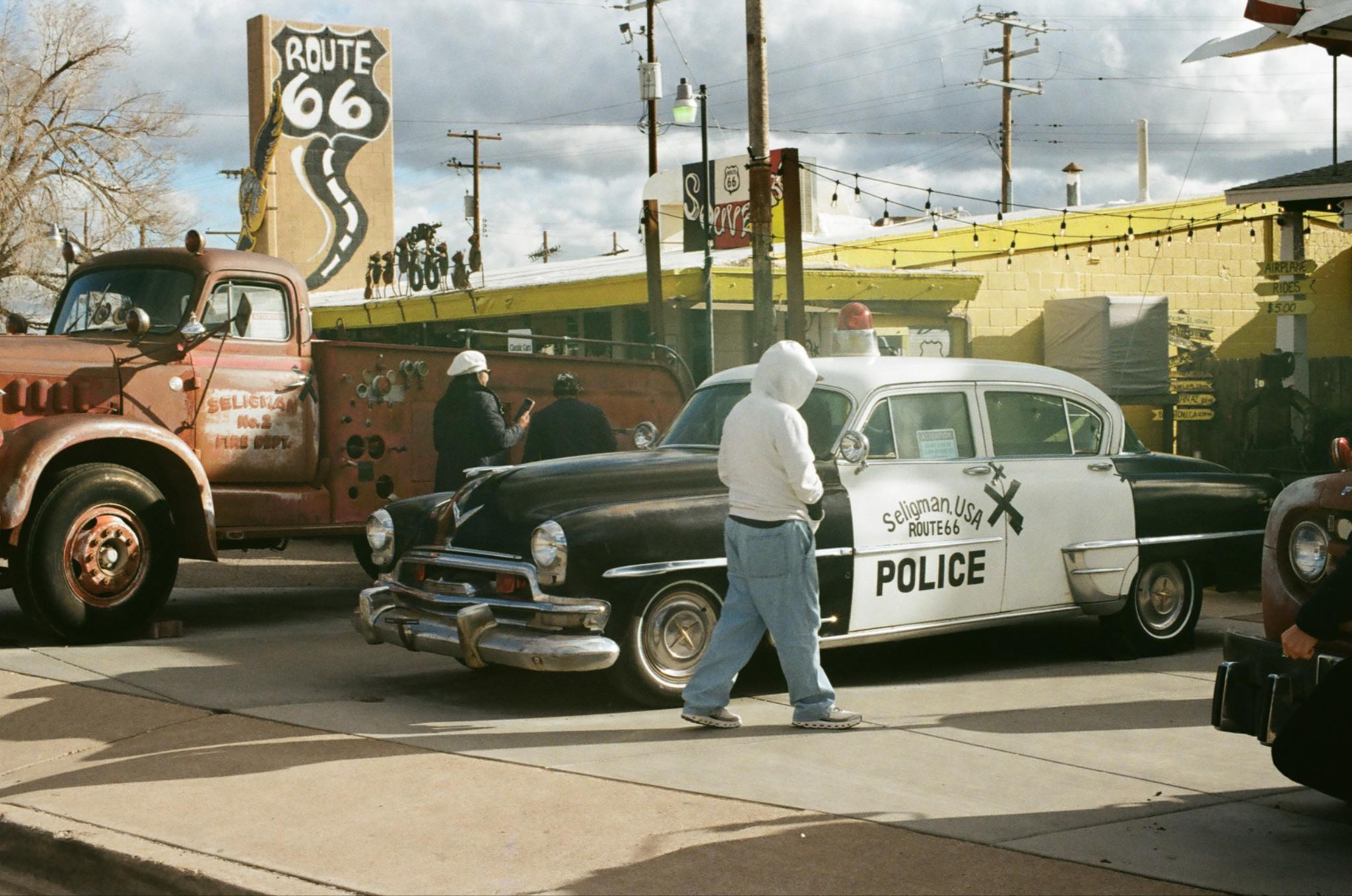
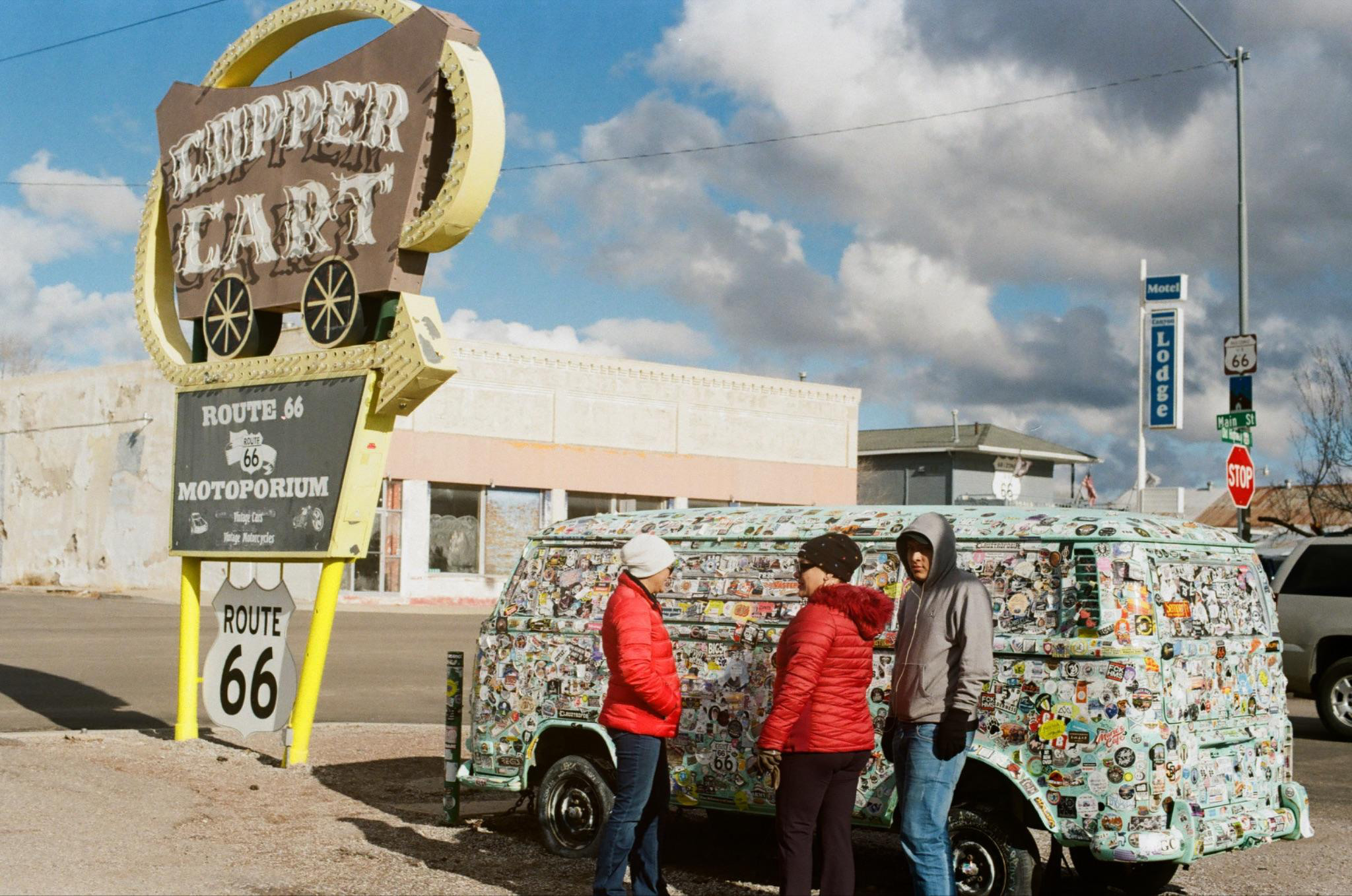
I stayed at a campground in Kingman. A bunch of wild donkeys approached me, as I was roasting beef steak.
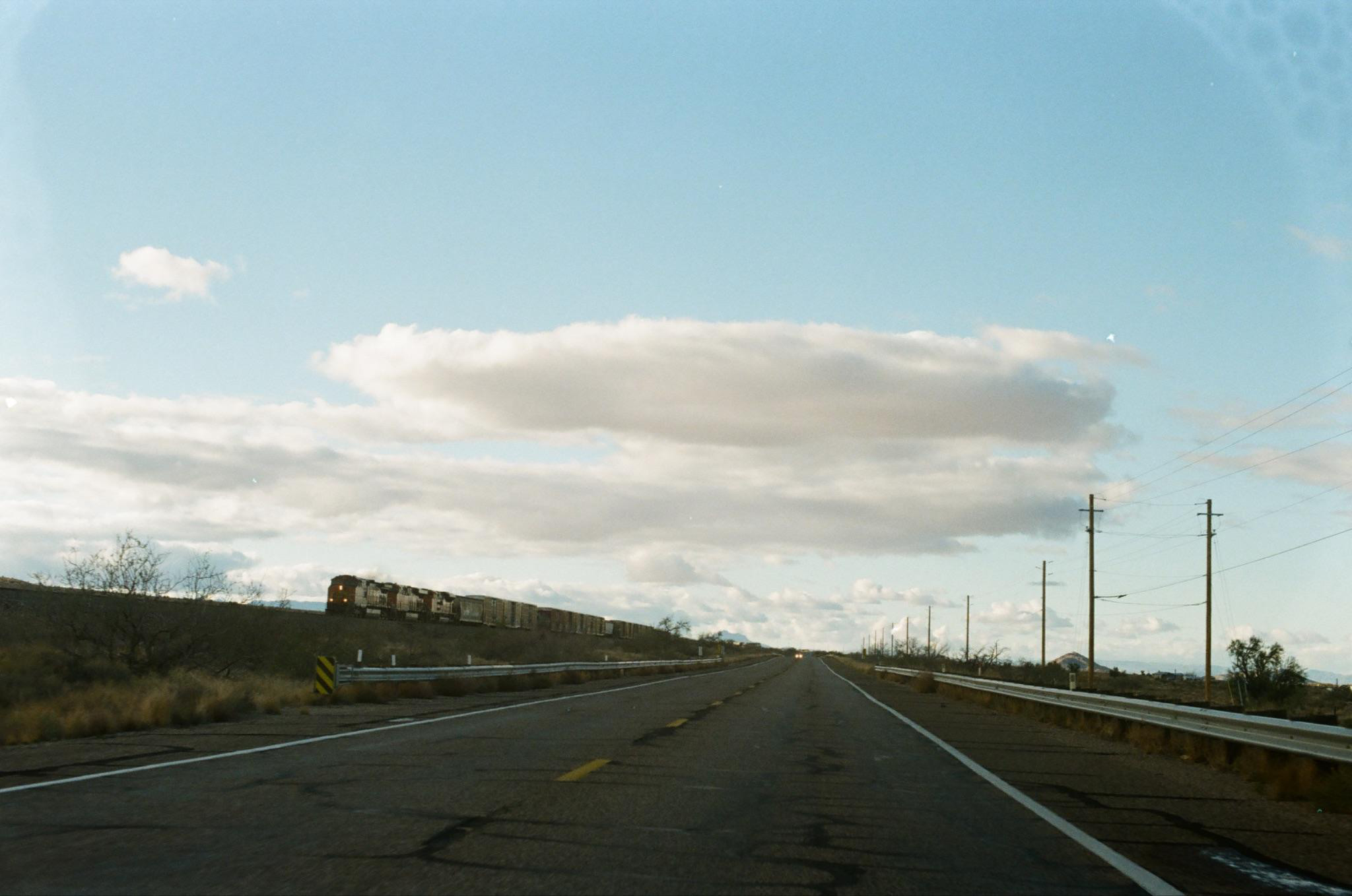
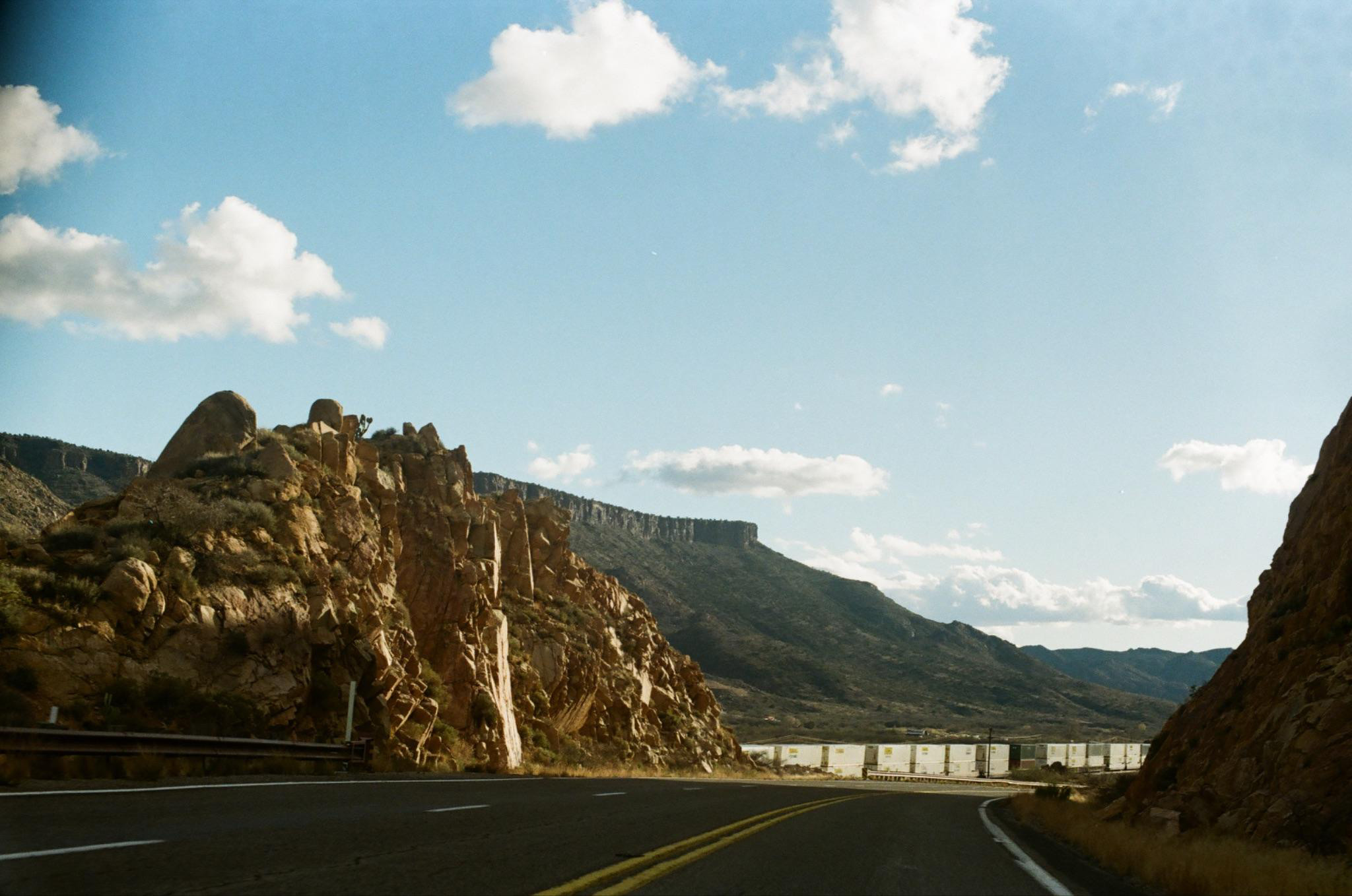
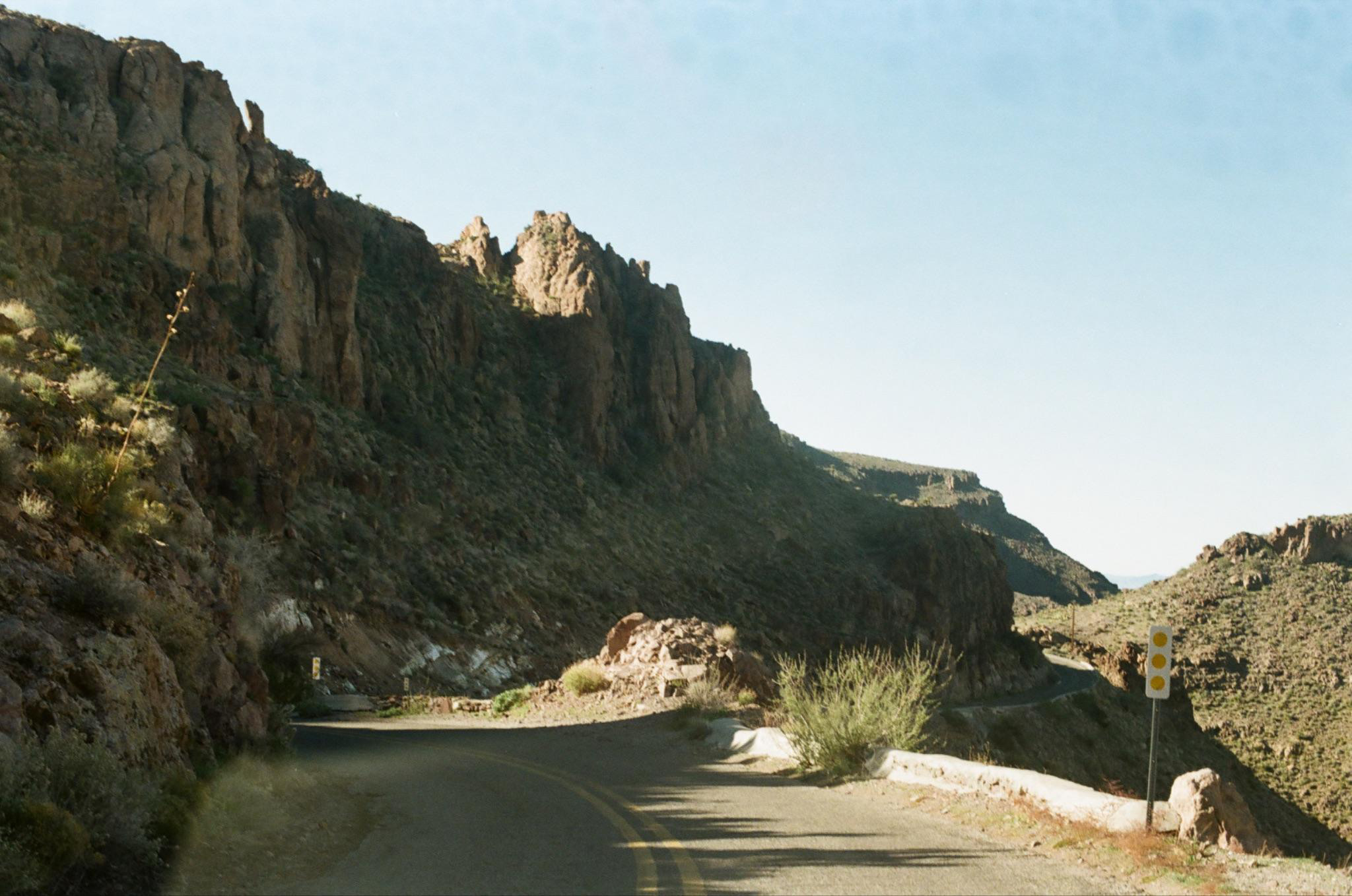
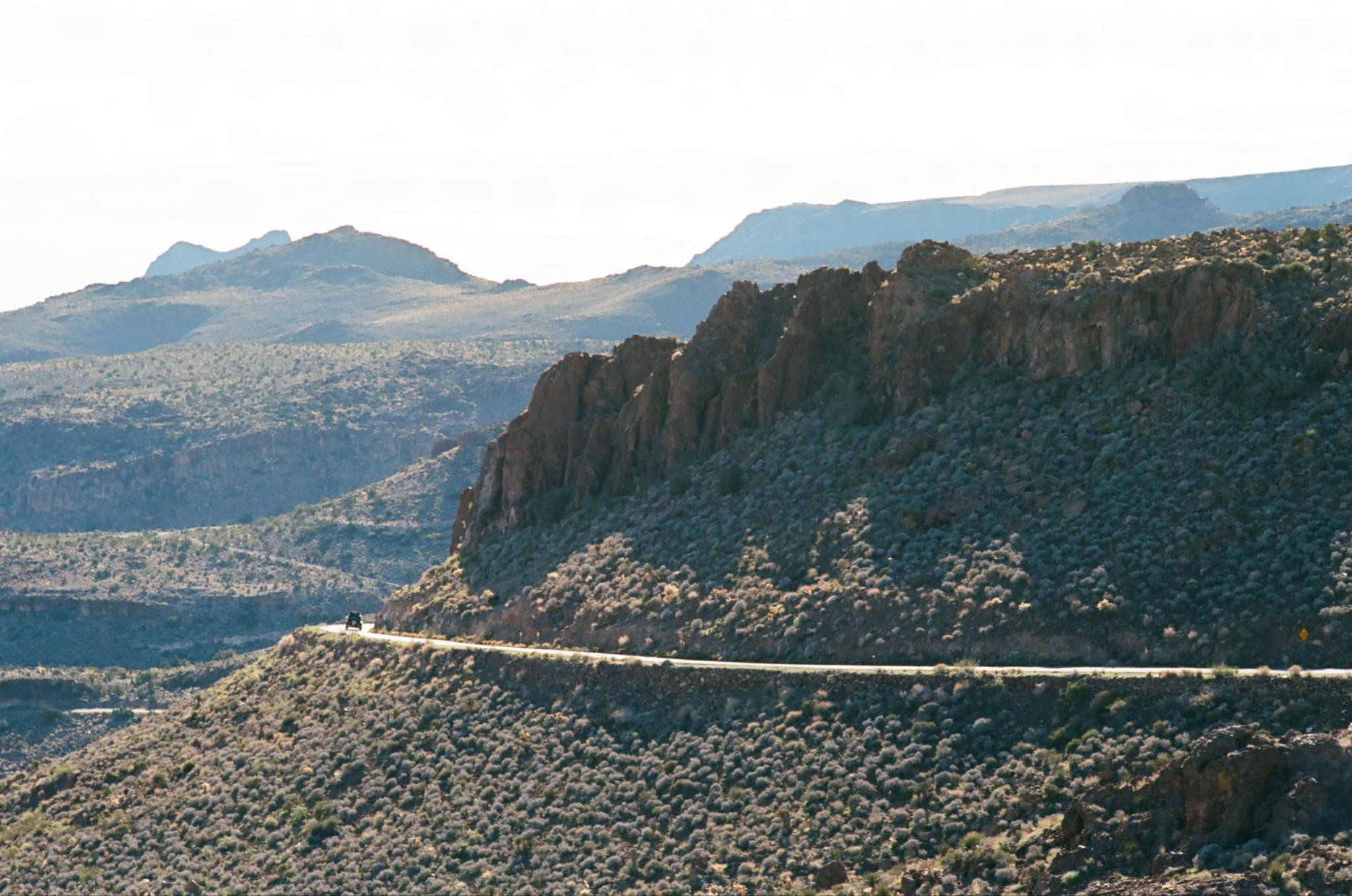
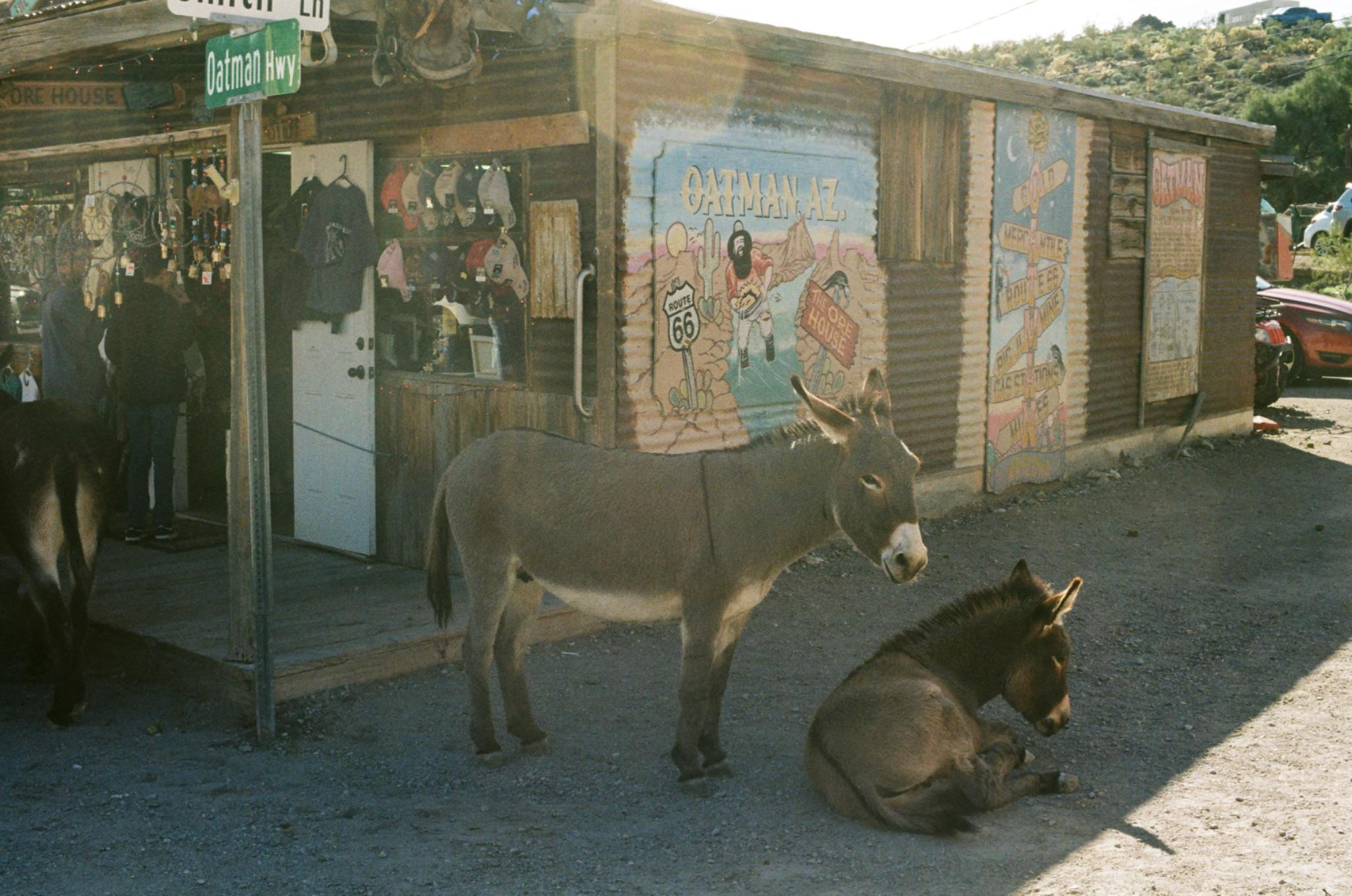
Oatman was the final stop of my trip on Route 66. As an old mining town, existing between mountains long before Route 66, it still attracts people to stop by, even though it is 30 miles off I-40 from Kingman. On the narrow roads hanging to the cliff, what I could do was only to slow down to 25. It was hard to imagine a fully loaded semi truck using it. I suddenly understood why Route 66 should be replaced. People would not sacrifice safety and efficiency, just for nostalgia.
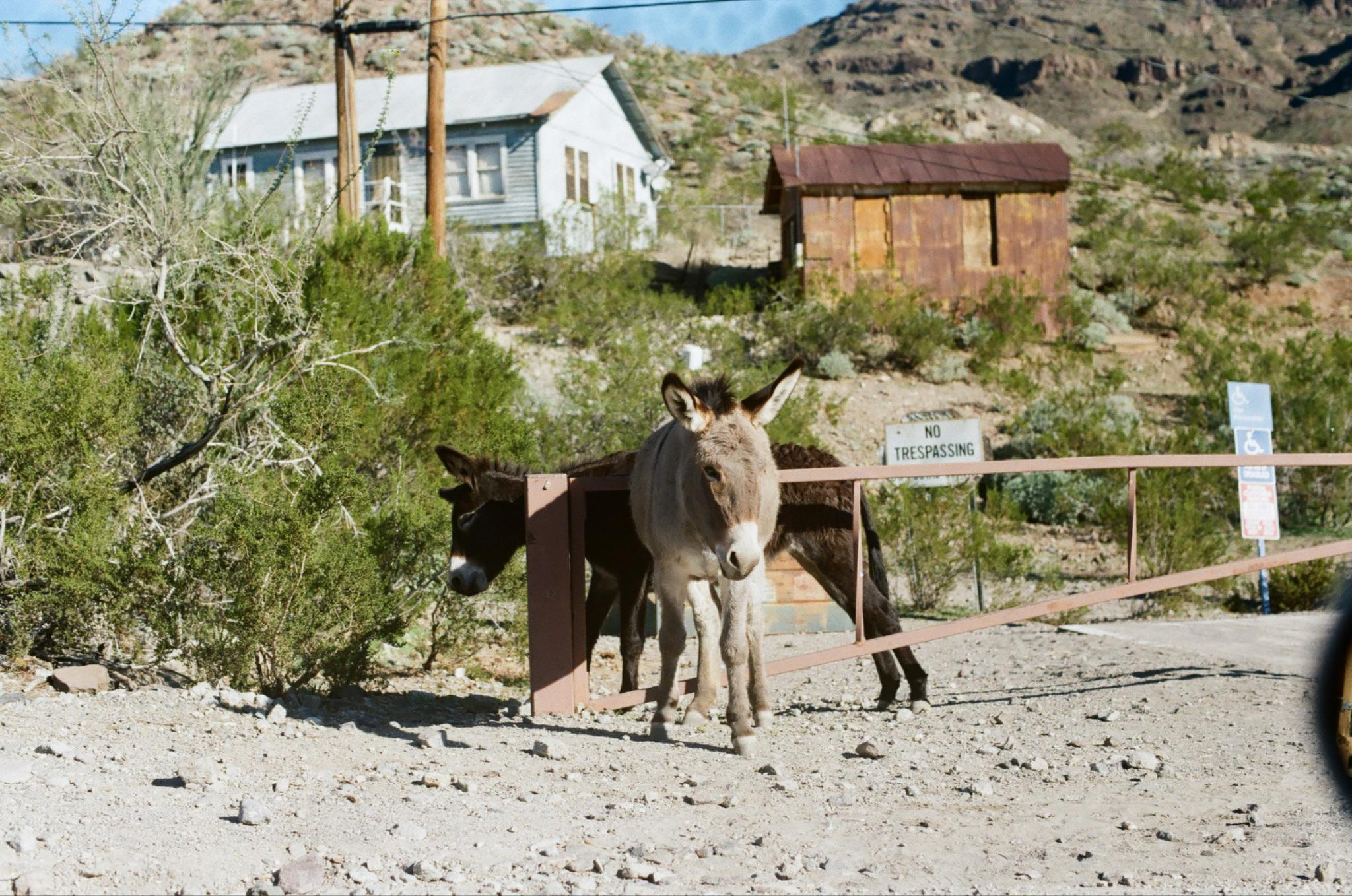
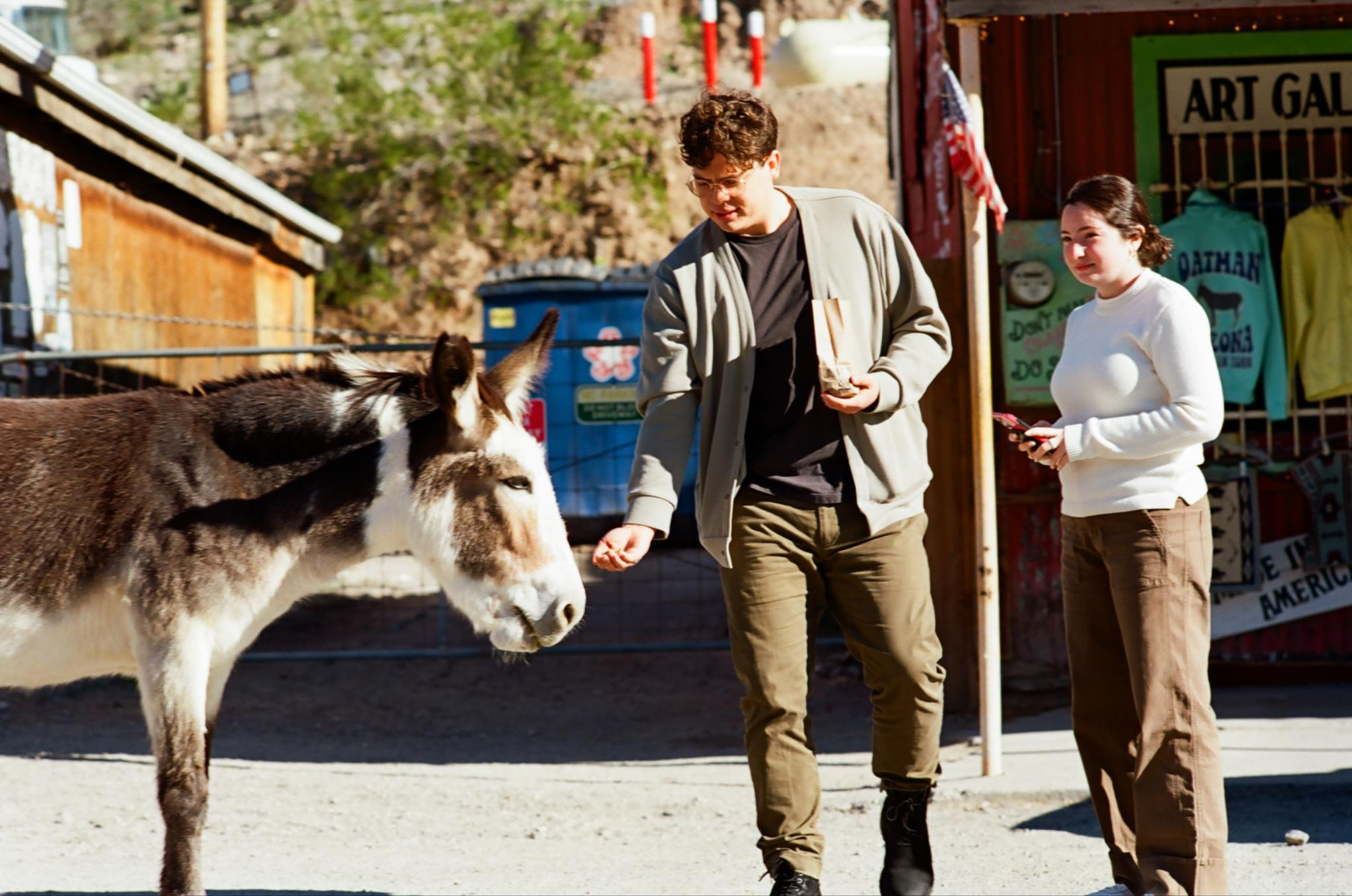
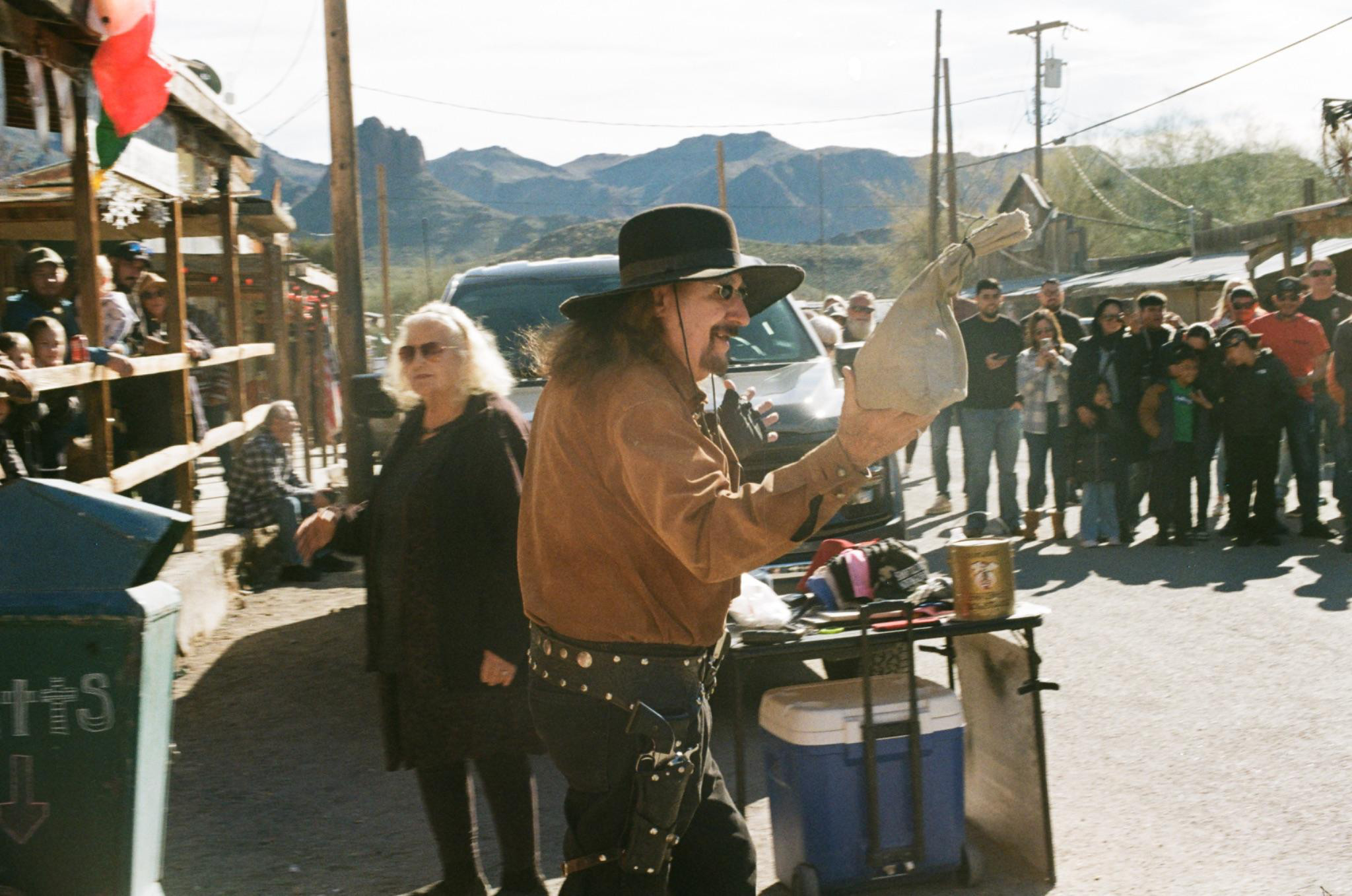
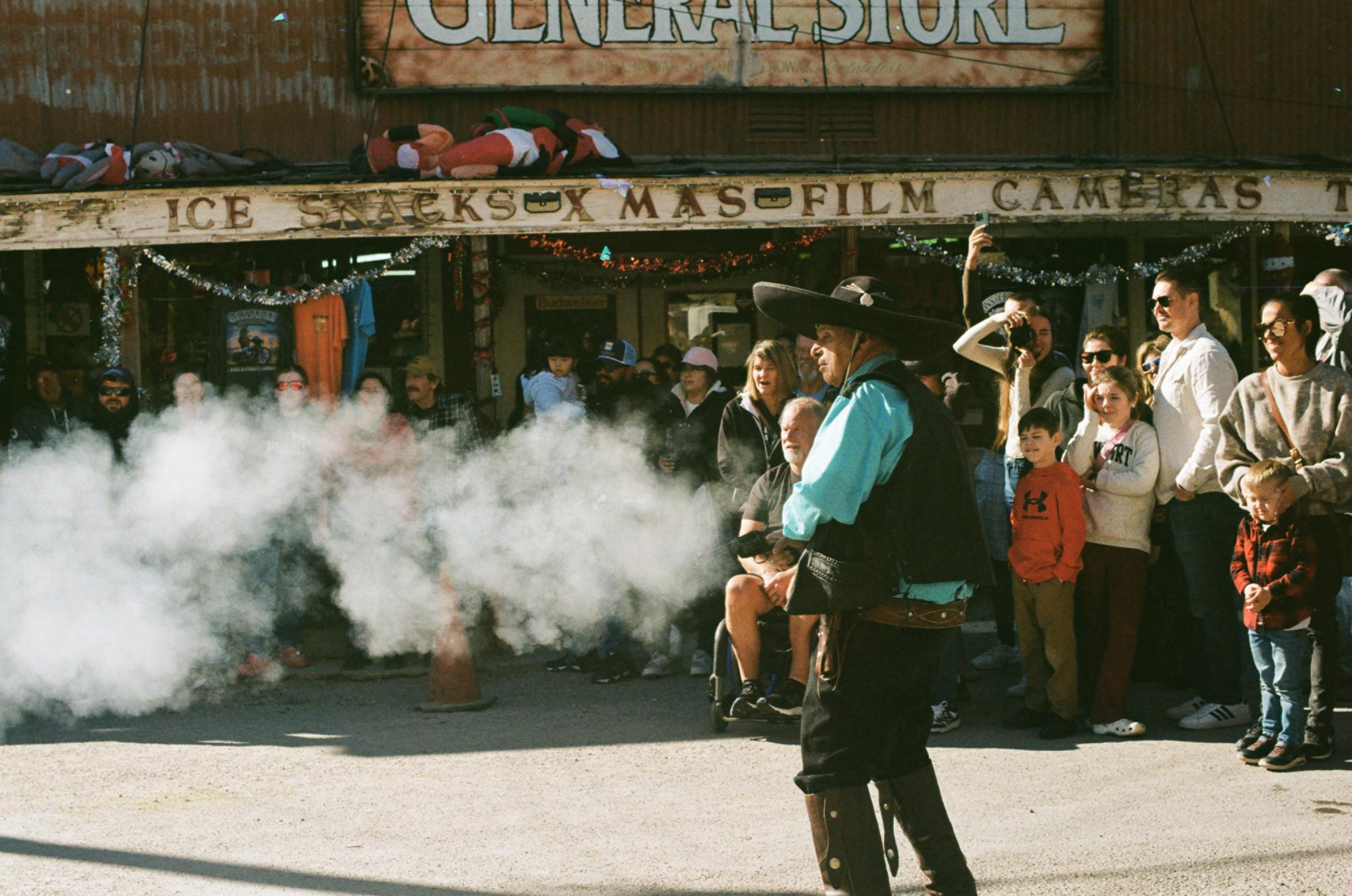
During the day I arrived, they had a few gunshot shows between cowboys on the street. Wild donkeys were everywhere. Cars and pedestrians yield to them. They escaped from mines and have survived in the wild, and now they come back to where humans are, getting food and respect.
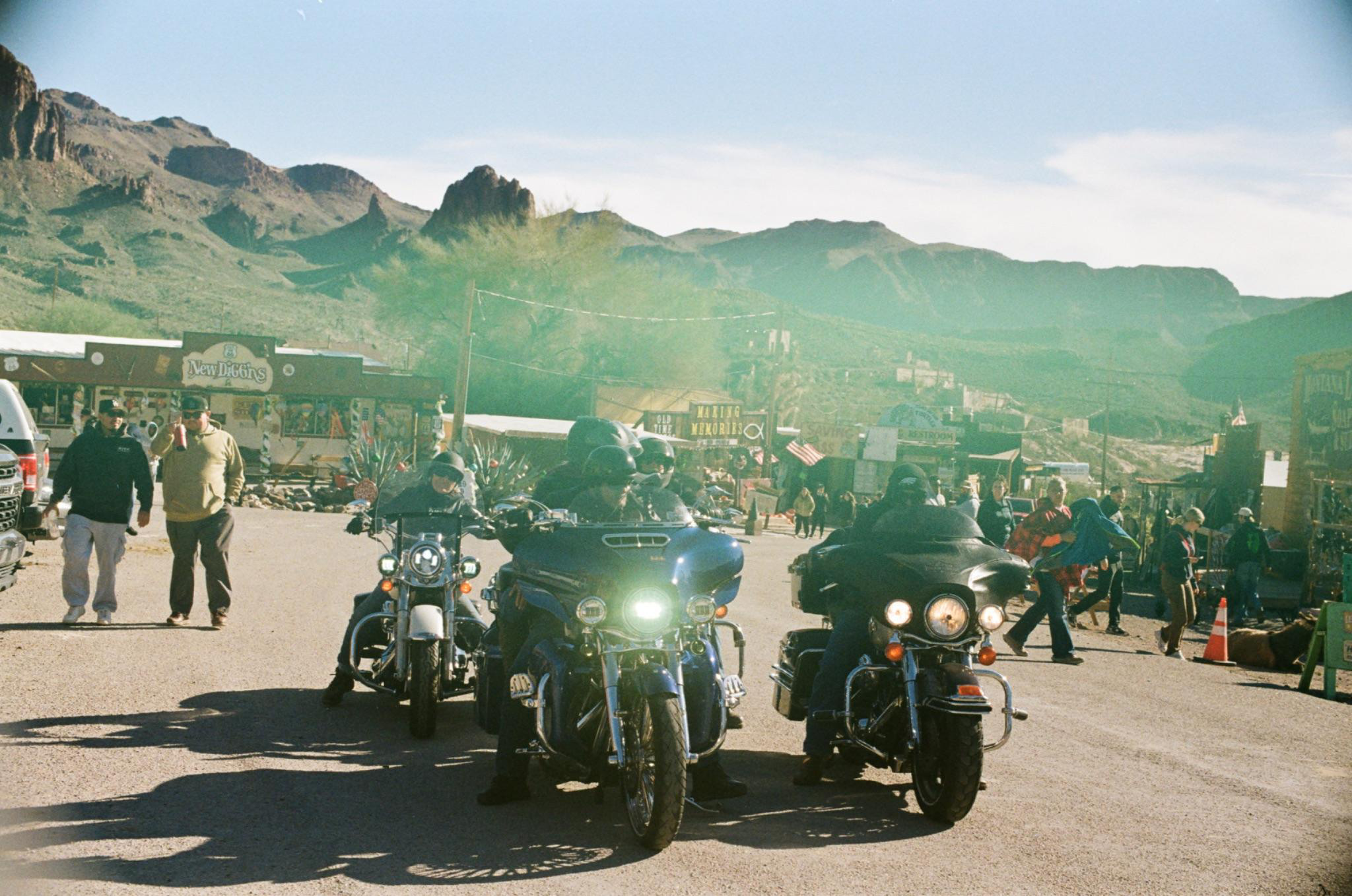
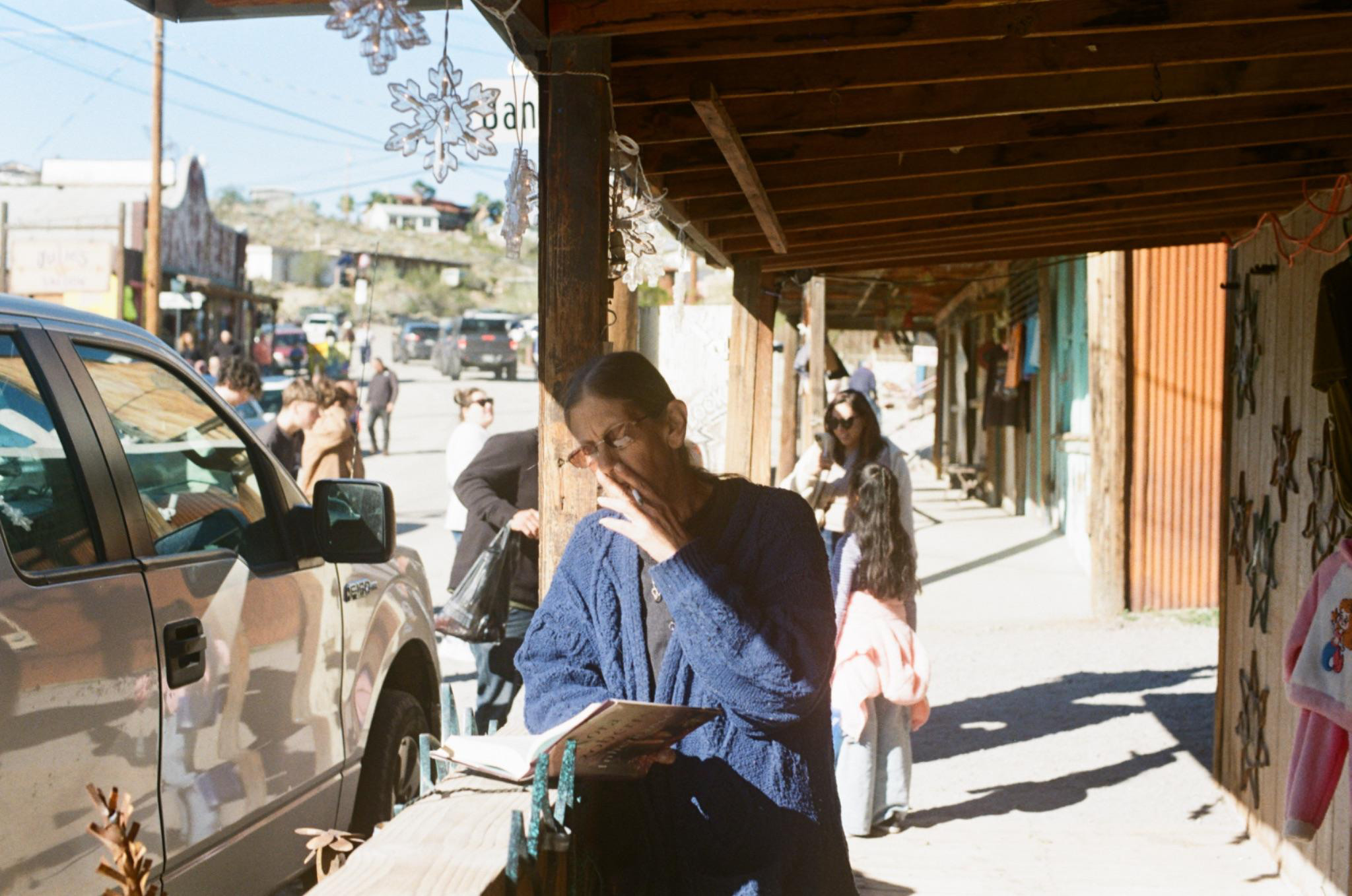
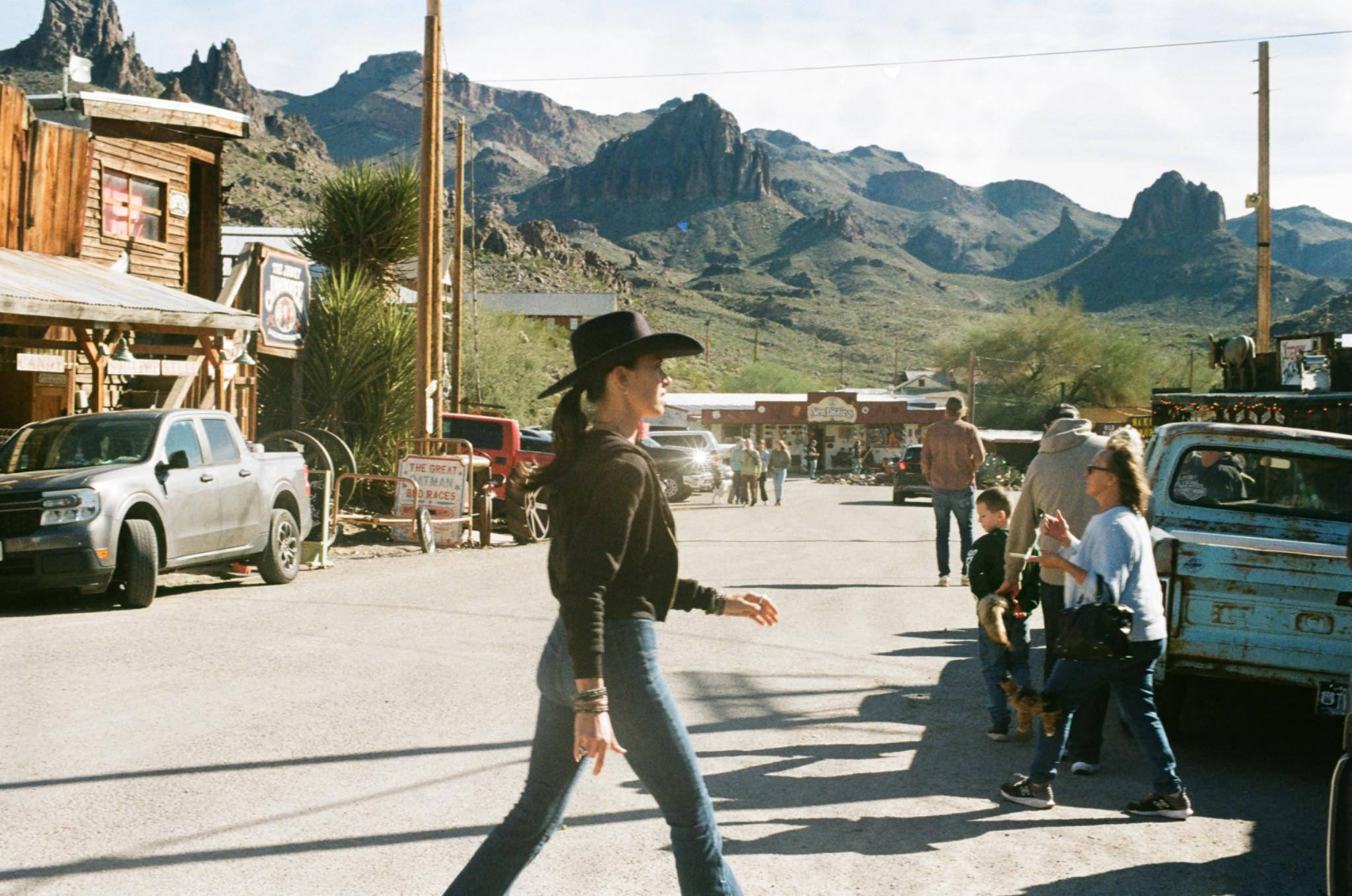
What makes people willing to travel for an extra hour just to stop at this small town? Compare Oatman, Seligman, and Williams. should these towns only emphasize the route, or should they just make it part of the local culture? Roads only bring people in; they do not stop them there.
Heading west, crossing the Colorado River, getting on Route 95 (this is a real route, not historic), I finished my Christmas on Route 66.